



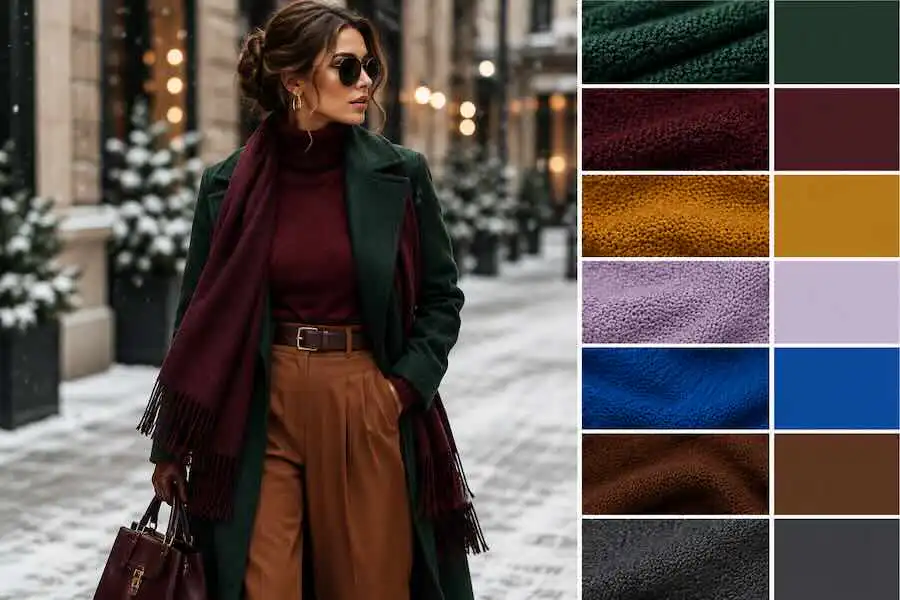
Winter color does not have to mean a wardrobe full of black. In 2026, the strongest cold-weather palettes feel richer and more tactile: deep greens, wine-dark reds, softened browns, smoky greys, icy pastels, and carefully placed flashes of saturated color.
There is something particularly satisfying about color in winter. Against pale daylight, wet pavement, bare trees, and heavy wool, even a small shift in shade becomes noticeable. A burgundy boot beneath charcoal trousers. Frosted lilac against dark brown. Electric blue cutting through an otherwise quiet coat.
You do not need to rebuild your wardrobe around every seasonal prediction, either. The smartest way to approach winter color trends in 2026 is to find the shades that already work with your personal style, then introduce one or two new combinations through knitwear, outerwear, tailoring, or accessories.
Why Winter Color Feels Different in 2026
Winter dressing has traditionally leaned toward black, navy, camel, and grey. Those colors are not disappearing. Instead, the palette around them is becoming warmer, deeper, and more expressive.
The interesting shift is not simply toward brighter clothes. It is toward color with texture. Burgundy looks different in polished leather than it does in velvet. Brown suede absorbs winter light differently from a glossy chocolate handbag. Lilac becomes considerably less spring-like when translated into brushed wool or a substantial puffer jacket.
That makes the season particularly easy to experiment with. Many of the broader winter fashion trends already depend on layering, so color can be introduced gradually rather than worn as one enormous statement.
7 Winter Color Trends to Wear in 2026
1. Deep Evergreen
Evergreen gives winter wardrobes depth without the severity of black. Think pine needles after rain: dark, saturated, and almost shadowy in low light.
It works especially well on pieces with scale — long wool coats, oversized knits, tailored trousers, and structured jackets. Pair evergreen with cream for softness, charcoal for something quieter, or silver accessories for a colder finish.
If your wardrobe is dominated by navy and black, evergreen is also one of the easiest colors here to introduce. It behaves almost like a neutral while still giving an outfit noticeable dimension.
2. Burgundy and Oxblood
Burgundy belongs naturally to winter. The shade carries the richness of red without its brightness, making it particularly convincing in leather, velvet, wool, and satin.
The freshest approach is tonal. Rather than isolating burgundy as a single accent, combine neighboring shades: wine trousers with an oxblood bag, a dark cherry knit beneath a burgundy coat, or deep red boots against chocolate brown.
For minimal wardrobes, one burgundy accessory can do enough. A polished leather bag against charcoal tailoring adds warmth without changing the character of the entire outfit.
3. Cocoa Brown
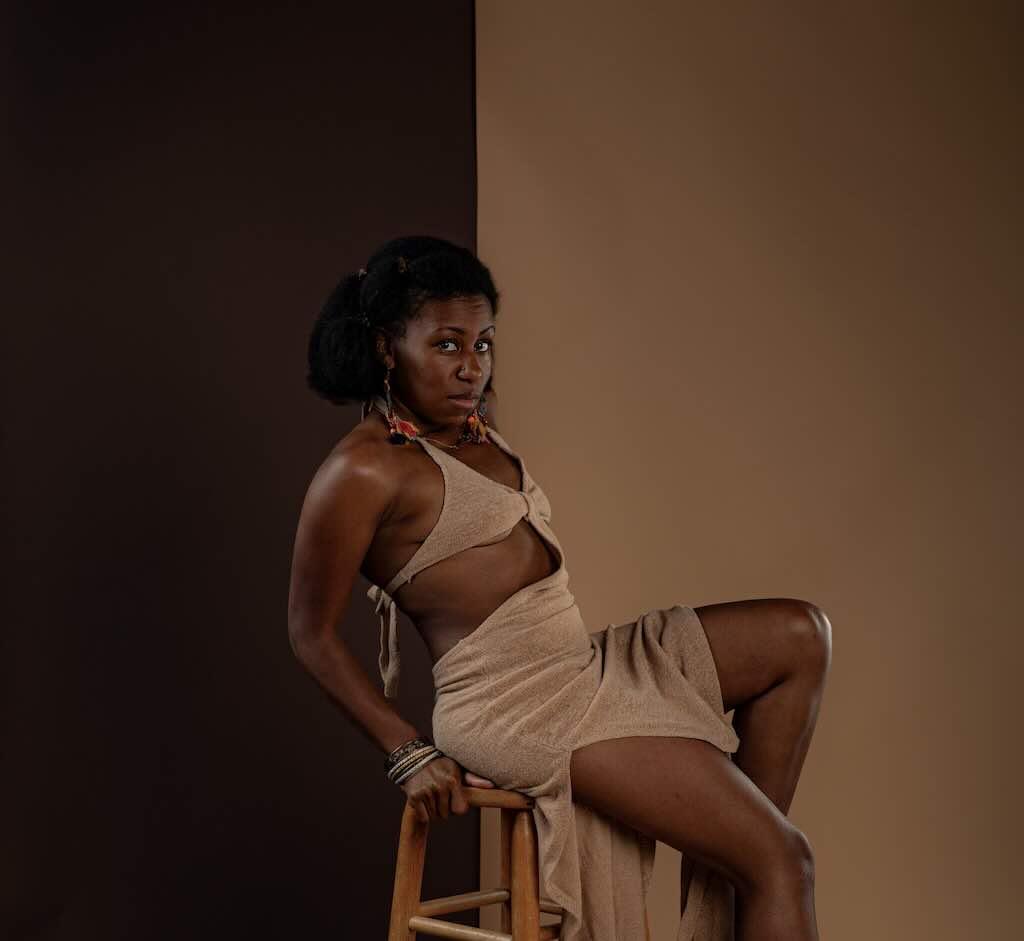
Brown continues to make a persuasive case as an alternative to black. Cocoa, espresso, chestnut, and dark chocolate all bring softness to winter dressing while remaining exceptionally easy to combine.
The appeal becomes strongest when several textures sit together. Imagine suede boots, wool trousers, a fine-knit sweater, and a leather bag within the same brown family. The palette stays restrained, while changes in surface keep it from looking flat.
Cocoa also provides an excellent foundation for brighter shades. Electric blue becomes sharper beside it; frosted lilac looks less sugary; cream gives it a clean, expensive-looking contrast.
4. Warm Ochre
Ochre carries a little autumn sunlight into the colder months. Less sharp than lemon and earthier than conventional yellow, it brings warmth without overwhelming an outfit.
This is particularly effective as knitwear. An ochre sweater beneath a navy coat creates an immediate focal point, while a scarf or beanie offers an easier entry if yellow normally sits outside your comfort zone.
It also fits neatly into an essential winter capsule wardrobe when surrounded by dark denim, cream, chocolate brown, navy, and forest green.
5. Frosted Lilac
A pale lilac against a grey winter sky has an almost icy quality. The key is avoiding fabrics and styling that push it too far into spring.
Choose substantial textures instead: wool, cashmere, brushed knits, quilted outerwear, or heavy scarves. Then anchor the softness with charcoal, espresso brown, winter white, or metallic silver.
The contrast is what makes it interesting. Lilac becomes less delicate beside a strong tailored coat and considerably more modern when paired with dark, grounded footwear.
6. Electric Blue
Electric blue is the interruption in an otherwise earthy winter palette. Saturated and clean, it catches the eye immediately against brown, charcoal, black, and grey.
You can commit fully with an oversized coat or blazer, but the color works just as well in smaller doses. A blue bag, scarf, sneaker, or knit collar peeking through a dark coat can change the energy of an entire outfit.
This is where the idea of dopamine dressing remains useful: color can simply be pleasurable. Not every fashion decision requires a complicated theory behind it.
7. Classic Charcoal
Charcoal is hardly new, and that is precisely its strength. It gives the more expressive colors of winter 2026 somewhere calm to land.
Grey wool trousers, oversized coats, knit dresses, and soft tailoring can form the backbone of a cold-weather wardrobe. From there, burgundy introduces richness, lilac creates a cooler contrast, and electric blue brings considerably more impact.
For an especially clean combination, try several shades of grey together rather than matching everything precisely. Pale grey knitwear beneath a graphite coat with charcoal trousers creates depth while remaining monochromatic.
The Winter Color Combinations That Feel Freshest
Individual colors matter less than what happens when they meet. This season’s strongest combinations balance warmth against coolness or saturation against something muted.
- Cocoa brown + electric blue: earthy and saturated, with enough contrast to make both shades look stronger.
- Evergreen + cream: calm, natural, and particularly effective in knitwear and outerwear.
- Burgundy + charcoal: polished without feeling overly formal.
- Frosted lilac + espresso: a soft pastel grounded by a dark, warm neutral.
- Ochre + navy: warm against cool, familiar without becoming predictable.
- Burgundy + cocoa: a low-contrast combination that becomes especially rich in leather, suede, and wool.
How to Wear Trending Colors Without Replacing Your Wardrobe
Fashion trends become considerably more useful when they work with clothes you already own. Before buying anything, look at your existing winter palette and identify what is missing.
If most of your clothes are black, grey, and navy, a burgundy scarf or electric blue knit may be enough. If you already wear camel and cream, evergreen and cocoa will slide into the wardrobe almost unnoticed. A closet filled with brown can take frosted lilac particularly well.
Accessories are the simplest testing ground. Gloves, bags, socks, scarves, hats, and shoes allow you to live with a color before committing to an expensive coat or tailored piece.
Use Texture to Make Color Look More Expensive
Winter clothes have one major advantage over summer dressing: texture.
A matte charcoal coat beside a satin burgundy dress creates contrast before you even consider silhouette. Cocoa suede beside cream cashmere feels softer. Electric blue nylon against grey wool feels sharper and more technical.
This is particularly useful for monochromatic outfits. When everything belongs to a similar color family, mix surfaces rather than adding more shades. Knit, leather, wool, satin, denim, and suede catch winter light differently, creating depth without visual noise.
What About Black?
Keep it.
Black does not suddenly become irrelevant because brown or burgundy is having a strong season. It remains practical, elegant, and exceptionally easy to wear. The difference is that you have more alternatives when an all-black winter wardrobe starts feeling repetitive.
Try black with one saturated color rather than abandoning it completely. Electric blue is crisp. Burgundy is moodier. Evergreen creates a subtle tonal shift that becomes most visible in daylight.
A Practical Winter 2026 Color Formula
If combining color still feels complicated, use a simple three-part formula: choose one dark neutral, one softer supporting shade, and one accent.
Charcoal trousers, a frosted lilac sweater, and a burgundy bag. Cocoa outerwear, cream knitwear, and electric blue accessories. Evergreen tailoring, winter white, and a small touch of ochre.
The formula creates enough variation to feel considered without turning getting dressed into color theory homework.
Conclusion: Let Winter Have Some Color
The most appealing winter color trends for 2026 are not asking us to abandon neutrals. They are showing how much richer those neutrals can become when surrounded by deeper greens, dark reds, softened browns, icy lilacs, ochre, and an occasional electric flash of blue.
Choose the colors that make sense beside what you already wear. Play with texture. Start with an accessory if a saturated shade feels unfamiliar. Then notice what happens when that small streak of color catches the low winter light.
Sometimes a wardrobe refresh really can be that simple.
FAQ: Winter Fashion Color Trends 2026
What colors are trending for winter 2026?
Deep evergreen, burgundy, cocoa brown, warm ochre, frosted lilac, electric blue, and charcoal offer a versatile winter palette. Rather than treating every shade as a mandatory trend, choose colors that complement your existing wardrobe and personal coloring.
Can you wear pastel colors during winter?
Yes. Pale colors can feel distinctly wintry when used in substantial cold-weather fabrics. Frosted lilac works particularly well in wool, cashmere, brushed knits, scarves, and quilted outerwear.
Is brown replacing black in fashion?
Brown offers a softer alternative, but there is no need to replace black. Cocoa, espresso, and chocolate shades are useful additions because they combine easily with cream, burgundy, blue, lilac, and other winter neutrals.
How can I wear bright winter colors if I usually dress in neutrals?
Begin with one accessory or knit. An electric blue scarf, burgundy bag, or ochre sweater can sit comfortably against black, grey, navy, camel, or brown without making the outfit feel unfamiliar.
Which winter colors work well for office outfits?
Charcoal, cocoa brown, evergreen, navy, and burgundy translate particularly well into tailoring and knitwear. For a restrained office look, use the stronger shade on one piece and keep the rest of the outfit neutral.