



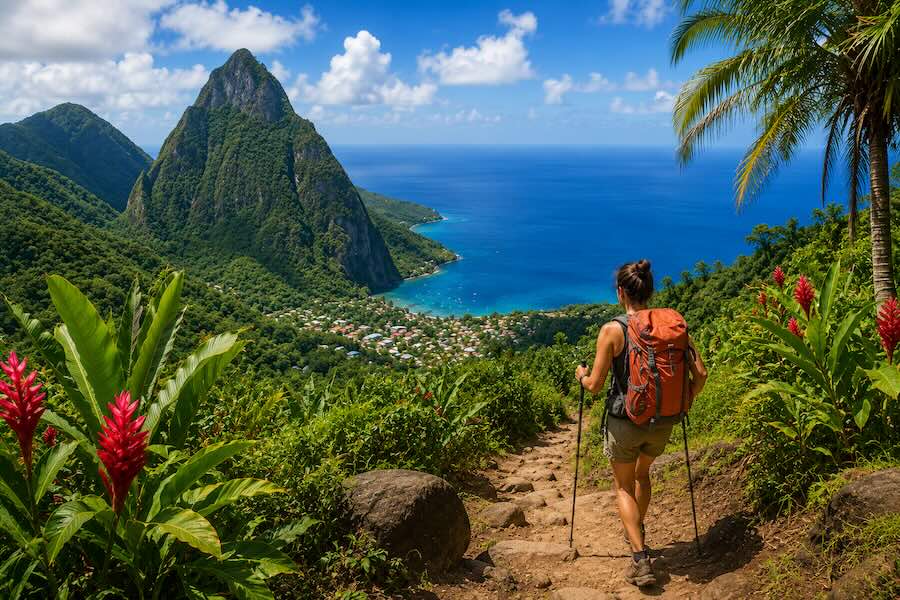
The Caribbean is usually framed through white sand, clear water and long afternoons beside the sea. Look inland, though, and the landscape changes quickly. Rainforest paths disappear beneath dense green canopies, volcanic slopes rise above the clouds, and dry island trails open onto wide views of the coast.
For travelers who would rather lace up hiking shoes than spend every day beside the pool, the region offers a striking alternative to the classic Caribbean holiday. Puerto Rico, Guadeloupe and Curaçao each reveal a different side of island life, from humid tropical forest to exposed volcanic terrain.
Hiking Through El Yunque National Forest in Puerto Rico
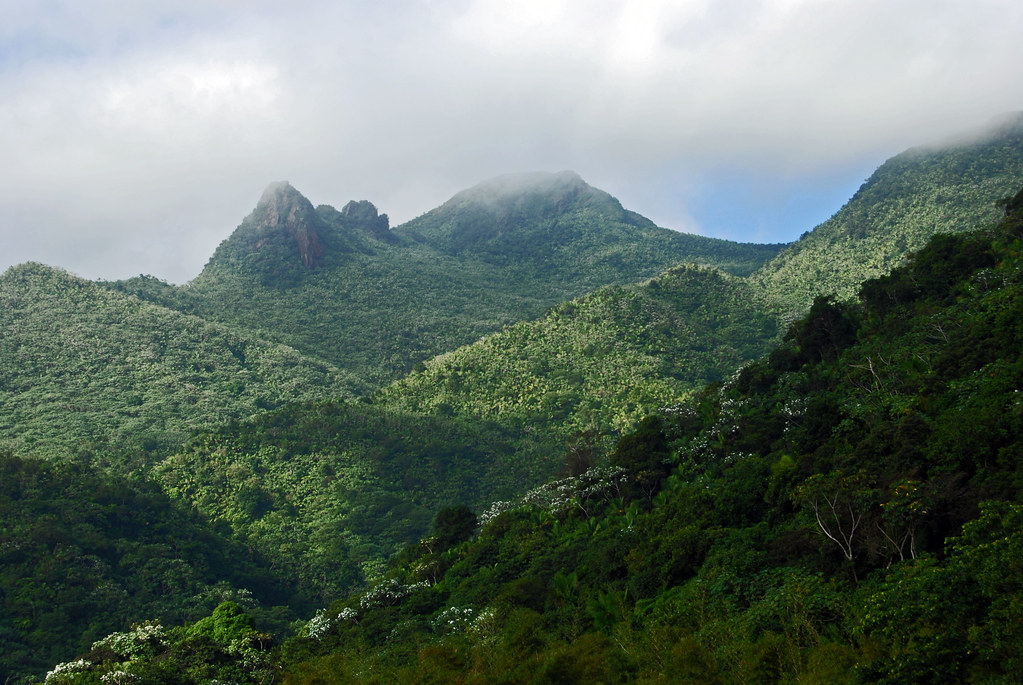
One of the natural places to begin is El Yunque National Forest in Puerto Rico. Formerly known as the Caribbean National Forest, this lush landscape of waterfalls, forest roads, observation points and tropical vegetation feels far removed from the beach resorts elsewhere on the island.
The experience changes with the weather and elevation. Moisture hangs in the air. Leaves glisten after rainfall, water moves through ravines, and the forest’s soundscape can become as memorable as the view itself. Rather than treating El Yunque as a single hike, visitors can choose among different trails and recreation areas according to conditions, ability and available time.
Because access, trail conditions and closures can change, hikers should check current information from the U.S. Forest Service before setting out rather than relying on older tour details or itineraries.
Climbing La Soufrière in Guadeloupe
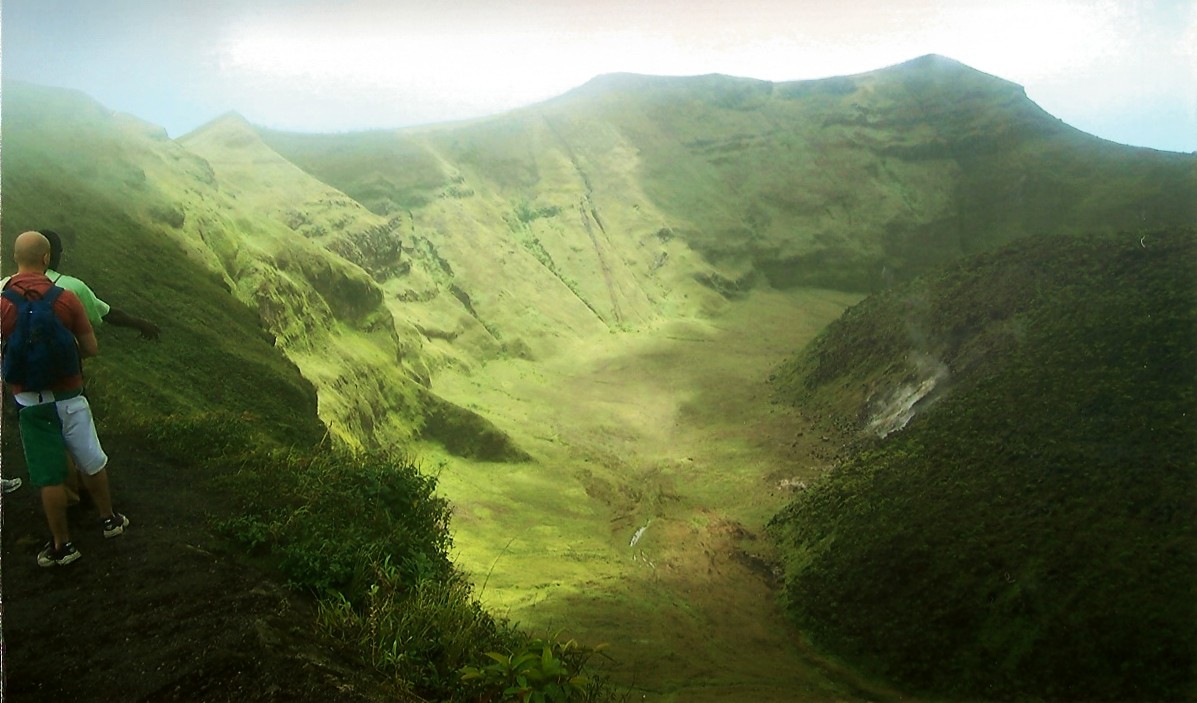
Guadeloupe offers a different kind of Caribbean landscape. On Basse-Terre, Guadeloupe National Park surrounds rainforest, waterfalls and volcanic terrain, with La Soufrière providing one of the island’s most recognizable hiking objectives.
The active volcano rises to approximately 1,467 metres, and conditions near the summit can feel dramatically different from those closer to sea level. Mist can move across the trail, the ground becomes more exposed, and volcanic activity gives the landscape a raw quality that contrasts sharply with the postcard image of the Caribbean.
La Soufrière should not be approached casually. Weather, volcanic conditions and official access restrictions can affect hiking routes, so visitors should check current park and local authority guidance before attempting the climb. Proper footwear, water and suitable clothing are essential.
Exploring Christoffel National Park in Curaçao
Curaçao changes the visual language again. At Christoffel National Park, the terrain is drier and more rugged, with trails moving through native vegetation toward the island’s highest point, Christoffelberg.
The climb rewards hikers with broad views across Curaçao, but heat is a serious consideration. Starting early is important, particularly because Caribbean temperatures can make exposed sections significantly harder later in the day. Visitors should confirm current hiking hours and park requirements before arriving.
How to Prepare for Hiking in the Caribbean
Caribbean hiking can involve humidity, sudden rain, intense sun, uneven volcanic surfaces and rapidly changing conditions. A trail that appears straightforward on a map can feel considerably more demanding once heat and elevation enter the picture.
- Carry enough drinking water for the route and conditions.
- Wear footwear with reliable grip rather than beach sandals.
- Use sun protection on exposed trails.
- Bring lightweight rain protection when hiking in tropical forest.
- Check official trail, weather and volcanic advisories before departure.
- Start early when hiking in hot or exposed landscapes.
- Stay on marked routes and respect protected habitats.
A Different Kind of Caribbean Escape
A hiking trip changes the rhythm of a Caribbean holiday. Instead of seeing an island primarily from a resort or shoreline, you begin to notice altitude, vegetation, weather and geology. The landscape becomes part of the journey rather than scenery in the distance.
That makes hiking particularly appealing for travelers interested in more active escapes. A morning trail can still end beside the sea. The difference is that, by then, you have seen something of the island that cannot be experienced from a sun lounger.
Conclusion
The Caribbean does not have to mean choosing between beach and adventure. El Yunque’s dense rainforest, La Soufrière’s volcanic slopes and Christoffelberg’s dry, elevated terrain show how varied these islands become once you move inland.
Pack for the climate, check current local conditions and leave enough time to move at the landscape’s pace. The sea will still be there when you return.
FAQ
Is the Caribbean good for hiking?
Yes. Several Caribbean islands offer rainforest, mountain, volcanic and coastal trails, giving hikers considerably more variety than the region’s beach-focused image suggests.
Where can you hike in Puerto Rico?
El Yunque National Forest is one of Puerto Rico’s best-known hiking areas, with tropical forest scenery, waterfalls and several recreation routes.
Can you hike La Soufrière in Guadeloupe?
La Soufrière is a popular hiking destination, but it is an active volcano. Current weather, volcanic activity and access restrictions should always be checked before attempting a hike.
What should I wear for Caribbean hiking?
Choose supportive footwear with good grip and lightweight clothing appropriate for heat and humidity. Depending on the location, sun protection and rain gear can also be important.
When should I start a Caribbean hike?
Early morning is often preferable, particularly on exposed trails where temperatures rise quickly. Always follow local park opening hours and route-specific guidance.