




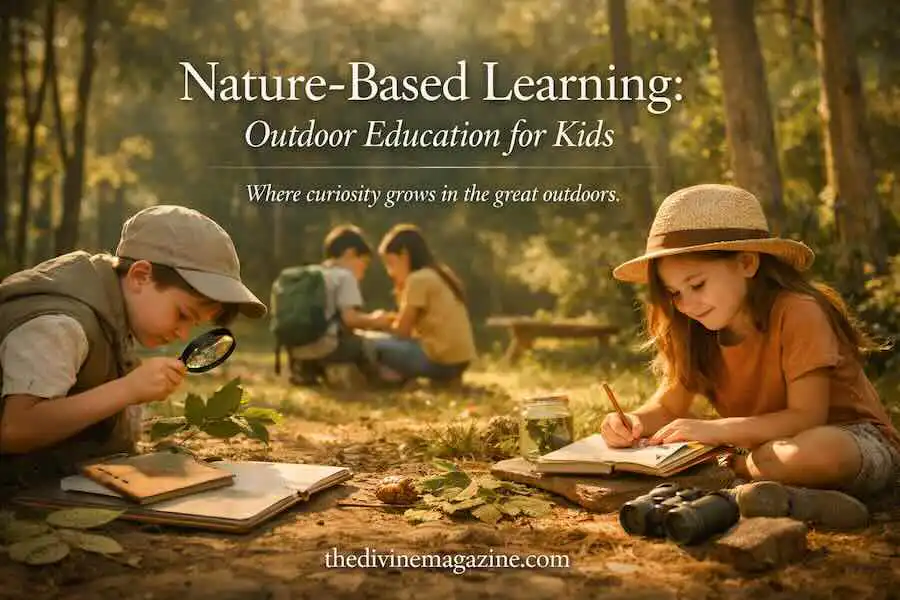
In 2026, outdoor education is redefining how children learn — blending academic growth with emotional resilience and physical health.
Is your child unhappy about having to go to school? You are not alone. At some point, every parent hears their child complain about their school experience. Some kids shrug and say that school “simply sucks,” while others may gripe about too much homework or not learning anything meaningful from their lessons.
A recent survey of schoolchildren found that less than 5% liked learning, and about 23% only liked school because of break times or recess. Nearly half enjoyed school mainly because they could see their friends, while almost 20% loved engaging in sports or watching others play.
If conventional teaching methods and excessive homework are causing your child to dislike school, it may be time to spark their interest in learning differently. One way to do so is by letting them participate in outdoor education. In 2026, nature-based learning is gaining traction globally, supported by research from Nature Scientific Reports and initiatives like Children & Nature Network. Here’s why this approach can transform your child’s wellbeing and love for learning.
What Is Nature-Based Learning?
Nature-based learning or outdoor education focuses on developing skills, values, and curiosity through real-life engagement with the natural world. In outdoor classes, children may learn to identify local flora and fauna, build shelters, or understand ecosystems. They might also participate in activities like hiking, rock climbing, fishing, or canoeing — all while learning teamwork and problem-solving.
For some, outdoor education may seem too playful to be “real learning.” Yet, its benefits — spanning social, mental, and physical development — are undeniable. Many schools now integrate outdoor learning days, and even urban daycares offer walking excursions to libraries, parks, and community gardens to encourage exploration and exercise. Programs like Forest School Association and Outdoor Classroom Day are leading this movement worldwide.
Enhanced Physical Health
Today’s children spend more time indoors than ever before, often glued to screens. Excessive screen time has been linked to poor health, including hypertension, Type 2 diabetes, and metabolic syndrome. Encouraging outdoor learning helps counter these effects by promoting movement, sunlight exposure, and fresh air — all essential for growing bodies.
Children need at least 60 minutes of moderate-to-vigorous physical activity daily. Nature-based learning naturally fulfills this requirement through exploration, play, and physical challenges. Schools adopting outdoor programs report improved fitness and reduced sedentary behavior, as noted by WHO physical activity guidelines.
Better Mental Health
Children today face rising rates of anxiety, depression, and attention disorders. While therapy and medication can help, nature-based learning offers a complementary approach that nurtures emotional balance. Studies from Frontiers in Psychology show that time spent in nature reduces stress hormones and enhances mood regulation.
Being surrounded by greenery improves focus, creativity, and empathy. Outdoor learning environments also foster mindfulness — helping children slow down, observe, and connect with their surroundings. In 2026, many schools are integrating “green breaks” and mindfulness walks as part of their daily routines.
Improves Social Skills
Outdoor education encourages teamwork and communication. Children collaborate to solve problems, share resources, and complete tasks like building campfires or identifying plants. These experiences strengthen leadership, empathy, and cooperation. Nature-based learning also teaches tolerance and respect for diversity, as children interact with peers from different backgrounds in shared outdoor spaces.
Programs like National Trust’s “50 Things to Do Before You’re 11¾” and Project WILD emphasize social growth through nature exploration, helping children develop confidence and compassion.
Conclusion: Learning Beyond the Classroom
Nature-based learning in 2026 is more than an educational trend — it’s a holistic approach to raising resilient, curious, and healthy children. By stepping outside the classroom, kids rediscover joy in learning, strengthen their bodies, and nurture emotional intelligence. Whether through forest schools, outdoor clubs, or weekend family adventures, the benefits of nature are boundless.
Encourage your child to explore the world beyond screens. For more ideas, visit Nature Play Australia or Children & Nature Network Resources to find local programs and activities that make learning outdoors a lifelong habit.
Frequently Asked Questions (2026)
Is nature-based learning scientifically proven to help children?
Yes. Research from ScienceDirect confirms that outdoor learning improves cognitive performance, emotional regulation, and physical health in children.
Can outdoor education replace traditional schooling?
Not entirely — but it complements classroom learning beautifully. Many schools now blend outdoor lessons with academic subjects to enhance engagement and retention.
How can parents encourage nature-based learning at home?
Start small: take weekend hikes, plant a garden, or explore local parks. Apps like iNaturalist and Seek help kids identify plants and animals, turning outdoor time into interactive learning.
Is outdoor learning safe for children?
Yes, when properly supervised and risk‑assessed. Reputable programs follow safety guidelines, use age‑appropriate activities, and train staff in first aid and outdoor risk management. Parents can ask providers about their safety policies, emergency procedures, and staff qualifications before enrolling their child.
Does nature-based learning help with school performance?
Outdoor education doesn’t replace academics, but it can enhance them. Time in nature improves focus, motivation, and problem‑solving skills, which often translates into better engagement and performance in traditional classroom subjects.
How can schools start integrating outdoor education?
Schools can begin with small steps: outdoor science lessons, nature walks, or garden projects. Partnering with local environmental organizations or forest school providers can help build structured programs that align with curriculum goals while keeping children safe and inspired.
In 2026, nature-based learning is one of the most powerful ways to help children thrive—mind, body, and heart.