




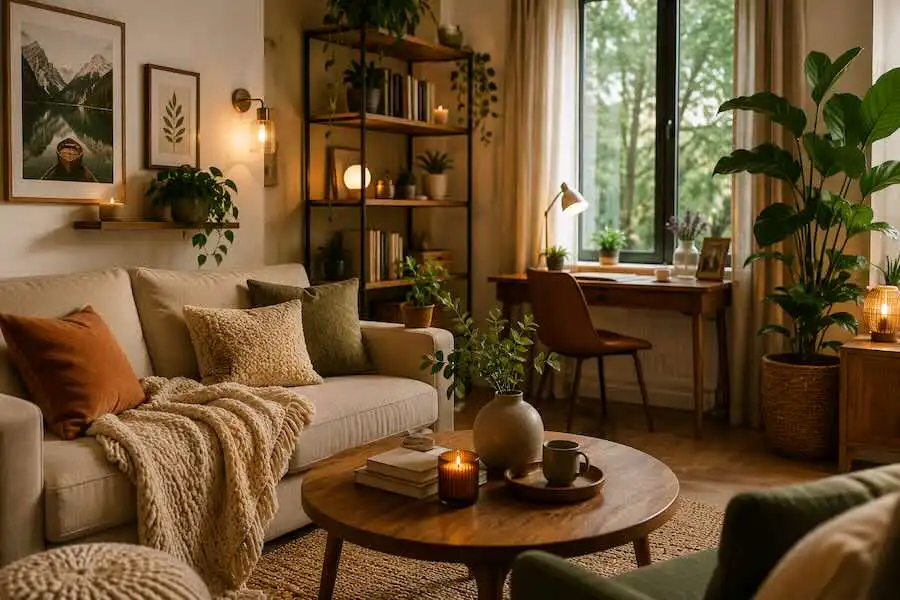
A home does more than hold furniture. It shapes the quiet hours before work, the light you return to in the evening, and the small rituals that tell your body the day is slowing down. When a room feels cluttered, impersonal, or visually restless, that atmosphere can become difficult to ignore.
Creating a home that feels comfortable and inspiring does not require a complete renovation. Often, the shift comes from smaller decisions: removing an unnecessary object, moving a chair toward the window, introducing a natural texture, or finally repairing the shelf that has been irritating you for months.
The aim is not perfection. It is to create rooms that support how you actually live.
1. Give the Room a Clear Visual Direction
Before buying anything new, decide how you want the room to feel. Calm and minimal? Warm and layered? Bright and playful? Darker and more intimate? A clear visual direction makes every later decision easier.
You do not need to follow a design style rigidly. Instead, use it as an editing tool. Choose a restrained color palette, identify two or three recurring materials, and consider how furniture shapes relate to one another. Inspiration can come from interiors magazines, hotels, restaurants, furniture showrooms, or visual platforms such as Pinterest.
Once the visual language is established, resist buying objects simply because they look attractive in isolation. The room matters more than the individual product.
2. Surround Yourself With Objects That Mean Something
An immaculate room can still feel strangely empty when nothing inside it has a personal connection to the person living there.
Books with worn spines, photographs from a memorable summer, ceramics brought home from a trip, artwork, records, inherited furniture, or an object connected to a favorite film can give a space identity. If pop culture is part of yours, even something playful such as a superhero throw cushion can work when it feels intentional rather than randomly placed.
The key is editing. Display fewer meaningful pieces and give them room to breathe instead of filling every available surface.
3. Think Beyond What the Room Looks Like
Interior design is usually discussed visually, but atmosphere is multisensory. The smell of clean linen, fresh air moving through an open window, or a subtle fragrance can change how a room is experienced almost immediately.
Keep fragrance restrained. Candles, fresh flowers and diffusers can introduce scent, but ventilation should come first. Opening windows when conditions allow can refresh a room without adding another product to it.
Sound matters too. Heavy textiles can soften an echoing room, while rugs, curtains and upholstered furniture create a quieter acoustic environment. Comfort is often something you hear and feel before consciously noticing the decor.
4. Bring Natural Materials Indoors
A timber surface warmed by afternoon light has a different presence from glossy plastic. Linen moves differently from polyester. Stone, clay, wool, cotton and untreated wood introduce texture without demanding attention.
Plants can add another layer, particularly when selected for the actual light and humidity conditions of the room. Rather than filling every corner with greenery, one healthy plant positioned carefully can have more visual impact than several struggling ones.
Natural light should be treated as part of the design, too. Keep windows reasonably clear, position mirrors where they can reflect daylight, and arrange seating so the brightest parts of the room can actually be enjoyed.

5. Create a Boundary Between Work and Rest
Remote and hybrid working have made one interior-design problem particularly persistent: the office can easily spread into the rest of the home.
A separate room is ideal but not essential. In a smaller home, boundaries can be created through furniture placement, lighting and routine. A compact desk positioned away from the bed, for example, establishes a clearer psychological distinction between working and sleeping.
At the end of the working day, close the laptop, remove paperwork from sight and switch from bright task lighting to softer lamps. The visual transition tells the room that its function has changed.
6. Make the Bedroom Feel Deliberately Restful
The bedroom should be one of the least visually demanding spaces in the home. Start with the bed itself: breathable bedding, comfortable pillows and layers that can be adjusted as temperatures change.
Then edit the surroundings. Keep the nightstand functional rather than crowded. Introduce warm bedside lighting instead of relying solely on a bright ceiling fixture. Personal pieces can still have a place, including custom-shaped pillows, but relaxation benefits from some visual restraint.
The result should feel tactile and quiet: clean sheets, soft light, clear surfaces and enough room for the eye to settle.
7. Use Storage to Create Visual Breathing Room
Storage works best when it responds to actual behavior. If keys always land beside the door, give them a tray there. If books accumulate beside the sofa, place shelving within reach. Good organization reduces friction instead of forcing daily habits into an unrealistic system.
In smaller rooms, use vertical space. Tall shelving, wall-mounted storage and hooks can free valuable floor area, while concealed boxes are useful for less attractive everyday items.
Do not confuse organization with filling every wall. Empty space is functional. It gives furniture definition and makes a room feel calmer.
Practical Takeaway: Edit Before You Buy
Before beginning a home refresh, walk through each room and identify three things: what irritates you, what you genuinely enjoy, and what you repeatedly use.
Repair the irritation first. Keep the things you enjoy visible. Make the objects you use every day easy to reach. Only then consider buying something new.
This approach is quieter than a dramatic makeover, but it usually produces a home that feels more personal because every change responds to a real need.
Conclusion: Design for the Life Inside the Room
An inspiring home does not need to resemble a showroom. It needs coherence, comfort and enough personality to feel unmistakably yours.
Start with light. Remove clutter. Introduce materials that feel good beneath the hand. Keep meaningful objects and let go of things that merely occupy space. Small adjustments accumulate, and eventually the room begins to feel different when you walk through the door.
Frequently Asked Questions
How can I make my home feel better without spending much money?
Begin by decluttering, rearranging furniture, cleaning windows, changing furniture placement and improving lighting. These changes can significantly alter a room without requiring major purchases.
How do I choose an interior style?
Collect images of rooms you instinctively like and look for repeated characteristics such as colors, materials, furniture shapes and lighting. Those patterns are more useful than forcing your taste into a particular design label.
What makes a room feel calmer?
Clear sightlines, restrained color, concealed storage, comfortable lighting, natural textures and fewer competing decorative objects can create a quieter visual environment.
How can I separate work from home in a small apartment?
Give work a defined physical zone, even if it is only one desk. Use dedicated task lighting and put work equipment away at the end of the day to create a clear transition into personal time.
Should every room follow the same interior style?
No. Rooms can have different personalities while still feeling connected through repeated colors, materials, finishes or architectural details.