


A modern wedding does not need to follow a familiar script. Clean architectural spaces, unexpected color, sculptural flowers, tactile fabrics and personal details can create a celebration that feels current without becoming tied to a passing trend.
The key is cohesion. Instead of collecting individual ideas because they look good on their own, build the day around a clear visual direction. Once that foundation is established, decisions about the venue, stationery, clothing, flowers and table design become considerably easier.
Start With a Clear Wedding Aesthetic
Before choosing flowers or saving another hundred inspiration images, define how you want the wedding to feel. Modern can mean restrained and architectural, colorful and playful, dark and dramatic, or somewhere between those extremes.
This approach works whether you’re planning an intimate celebration or exploring unique wedding ideas for a casual, low-key couple. The objective is not to reproduce somebody else’s wedding. It is to create a visual language that makes sense for the two of you.
Start by considering the interiors, clothes, restaurants, hotels and places you naturally gravitate toward. Look for recurring colors, materials and moods. You may discover that polished metal, warm neutrals and minimalist spaces appear repeatedly, or that you both prefer saturated color and expressive patterns.
- Which colors already appear in your home and wardrobes?
- Do you prefer minimalism, maximalism or something between the two?
- Which wedding traditions actually mean something to you?
- How formal should the celebration feel?
- Which details would you want to see when looking at the photographs years later?
- What atmosphere should guests experience when they enter the space?
These answers give you a practical design filter. When a new idea appears, you can quickly decide whether it belongs.
Choose a Venue With the Right Architecture
The venue creates the largest visual surface of the wedding, so work with it rather than constantly trying to disguise it.
Industrial lofts, contemporary galleries, converted warehouses, modern hotels and stripped-back event spaces can provide strong foundations for an edgier celebration. Concrete, exposed brick, steel, glass and large expanses of white wall give other design elements room to breathe.
Nature can provide an equally striking backdrop. A minimalist ceremony beside the sea, beneath tall trees or against an open landscape can feel distinctly contemporary when the styling remains restrained. If that direction appeals, these tips for throwing the perfect outdoor wedding can help with the practical side of planning.
If your venue was booked before the visual concept was decided, take cues from what is already there. Existing stone, timber, lighting and architectural lines can become part of the palette rather than obstacles that need covering.
Build a More Confident Color Palette
Modern wedding color does not necessarily mean bright color. What matters is confidence and contrast.
A palette of ivory, black and brushed steel can look as striking as cobalt with orange or burgundy beside blush pink. Even a largely neutral wedding can gain definition from one concentrated accent shade.
Limit the main palette to a manageable group of tones and repeat them strategically. Invitations are an ideal place to establish the visual identity before guests arrive. Divine’s guide to wedding card design ideas offers additional inspiration for translating the concept into stationery.
From there, color can reappear in candles, napkins, glassware, ceremony seating, flowers and clothing. Repetition creates cohesion without requiring every object to match perfectly.
Use Texture to Create Depth
Texture becomes especially important when the palette is restrained. Linen beside polished metal, translucent glass against raw concrete, velvet against crisp tailoring: these contrasts give a room dimension even when relatively few colors are involved.
Layering can be subtle. Consider ribbed glassware, handmade ceramics, textured paper, loosely woven table linens or metallic candleholders. The effect comes from the interaction between surfaces rather than the quantity of decoration.
Let Fashion Become Part of the Design
The wedding wardrobe is another part of the visual composition. A traditional white dress can sit comfortably inside an unconventional wedding, particularly when paired with sharper accessories, unusual fabrics or contemporary jewelry.
Alternatively, color can appear through shoes, embroidery, tailoring or a second look for the reception. Wedding-party styling does not need to rely on identical dresses or suits either. Different silhouettes within a controlled palette often feel more relaxed and visually interesting.
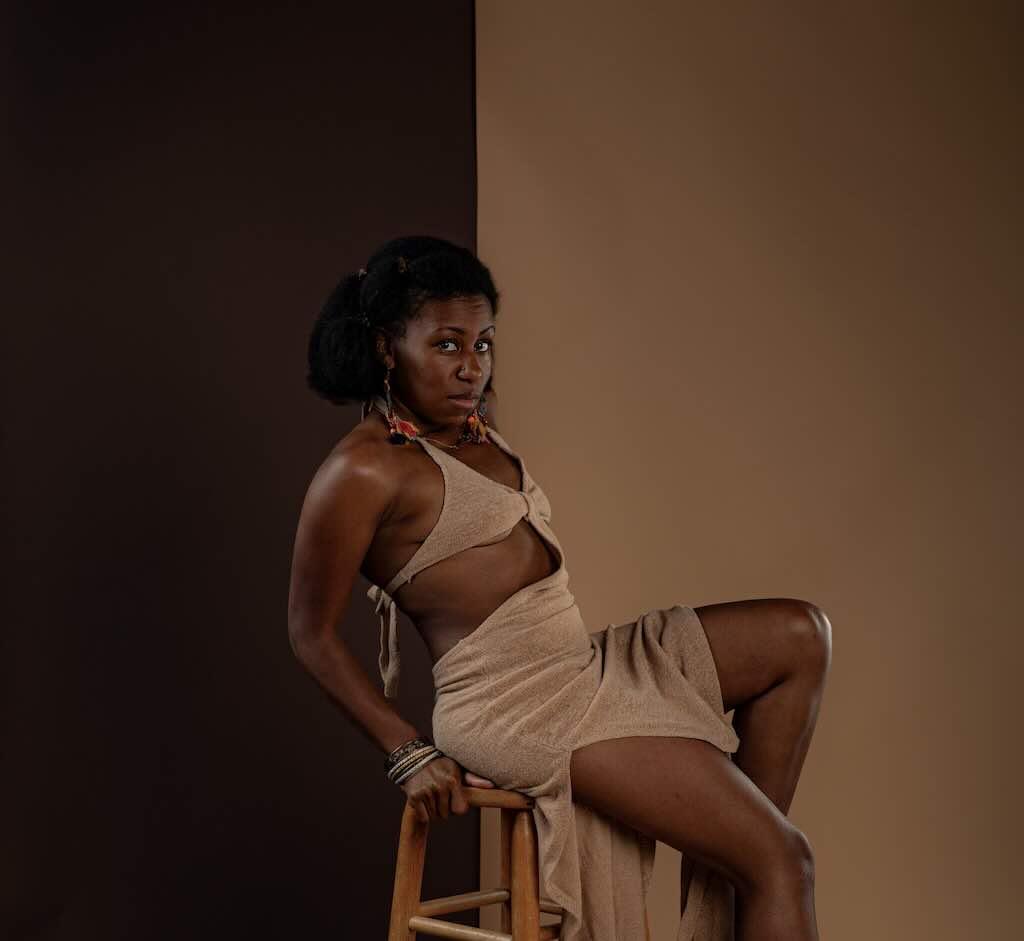
Accessories deserve the same attention. Sculptural earrings, metallic details, eyewear or an unexpected shoe can introduce personality without overwhelming the outfit. The strongest details tend to echo something elsewhere in the celebration, whether that is a color, shape or material.
Rethink Traditional Wedding Flowers
Flowers are one of the easiest places to move away from conventional wedding styling. Instead of symmetrical arrangements packed with blooms, consider sculptural compositions with unusual silhouettes, single-variety arrangements or installations that use negative space deliberately.
Branches, grasses, foliage, fruit and other natural materials can introduce shape and texture. Couples who prefer fewer flowers can use candles, fabric, ceramics or architectural objects to create focal points instead.
The bridal bouquet can follow the same principle. It might be compact and monochromatic, deliberately asymmetric or built around one dramatic flower. There is no requirement for every floral element to resemble a traditional wedding arrangement.
Create One or Two Statement Moments
An edgy wedding does not require every corner of the venue to compete for attention. In fact, restraint can make the strongest ideas more visible.
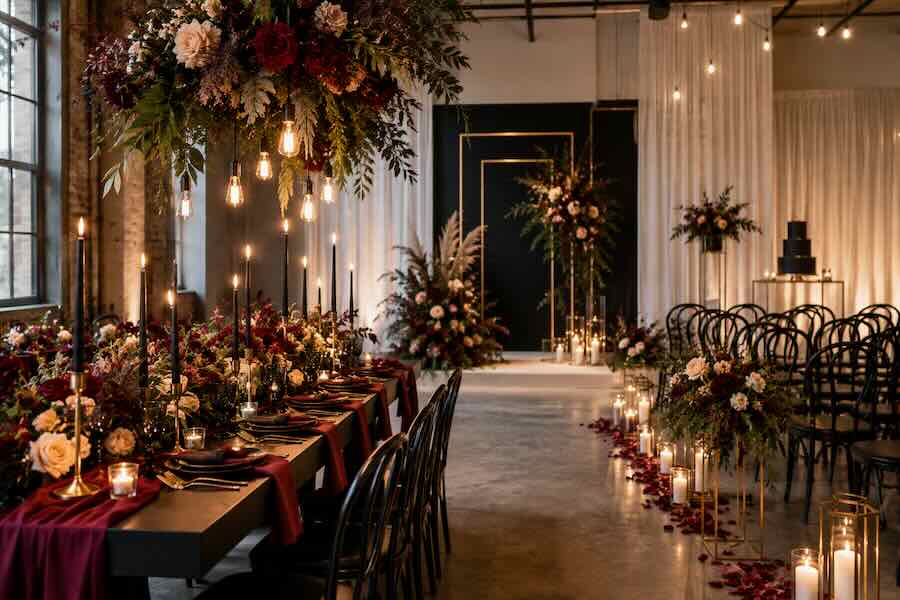
Choose one or two areas for greater visual impact: perhaps a dramatic ceremony installation, an unusually long candlelit dinner table, sculptural lighting or a dance floor framed by saturated color. Allow quieter areas around those moments to create contrast.
This also provides a practical way to control the budget. Concentrating decorative spending where guests will actually experience and photograph it can have more impact than distributing small decorations throughout an entire venue.
Keep the Guest Experience in the Picture
Visual design matters, but a beautiful wedding still needs to function. Guests should understand where to go, where to sit and what happens next. Seating needs to be comfortable. Lighting needs to work after sunset. Outdoor plans need realistic alternatives for changing weather.
The best contemporary wedding design makes these practical requirements feel intentional. A seating chart can become an installation. Lounge furniture can introduce color while giving guests somewhere comfortable to talk. Lighting can define different spaces as the celebration moves from dinner into dancing.
Make the Wedding Recognizably Yours
Trends can provide useful references, but they should remain references. A wedding becomes memorable when guests can recognize the people behind the design.
Use personal details selectively: music connected to your relationship, food you genuinely enjoy, objects from shared travels, a meaningful ceremony location or colors associated with an important memory. These choices carry more emotional weight than decorations selected simply because they are fashionable.
Conclusion
A modern, edgy wedding is less about breaking every tradition than choosing each element deliberately. Start with a defined aesthetic, find a venue that supports it, repeat a controlled palette and use texture, fashion, flowers and lighting to build depth.
Then leave enough space for personality. The polished surfaces, candlelight and carefully chosen colors may establish the atmosphere, but the details connected to your own story are what make the room feel unmistakably yours.
Frequently Asked Questions
What makes a wedding theme feel modern?
A modern wedding usually relies on intentional editing rather than a particular color or decoration. Clean lines, confident contrast, contemporary typography, interesting materials and a limited palette can all contribute to the look.
Does an edgy wedding need dark colors?
No. An edgy aesthetic can use pale neutrals, vivid colors or dark tones. Unexpected combinations and the way materials are styled matter more than choosing black or another traditionally dramatic shade.
How can we make a wedding unique without overspending?
Concentrate the budget on a few visible areas rather than decorating everything. A strong ceremony backdrop, distinctive lighting, an impressive table arrangement or memorable stationery can establish the visual identity while simpler elements support it.
Can traditional wedding elements work with a modern theme?
Yes. Traditional elements such as a white wedding dress, flowers or a formal dinner can remain while their styling becomes more contemporary. Mixing familiar traditions with unexpected colors, silhouettes and materials often creates a particularly strong result.
How do we keep different wedding ideas cohesive?
Establish a small set of visual rules before purchasing anything. Define your main colors, materials, mood and level of formality, then use those criteria to decide which ideas belong in the final design.