




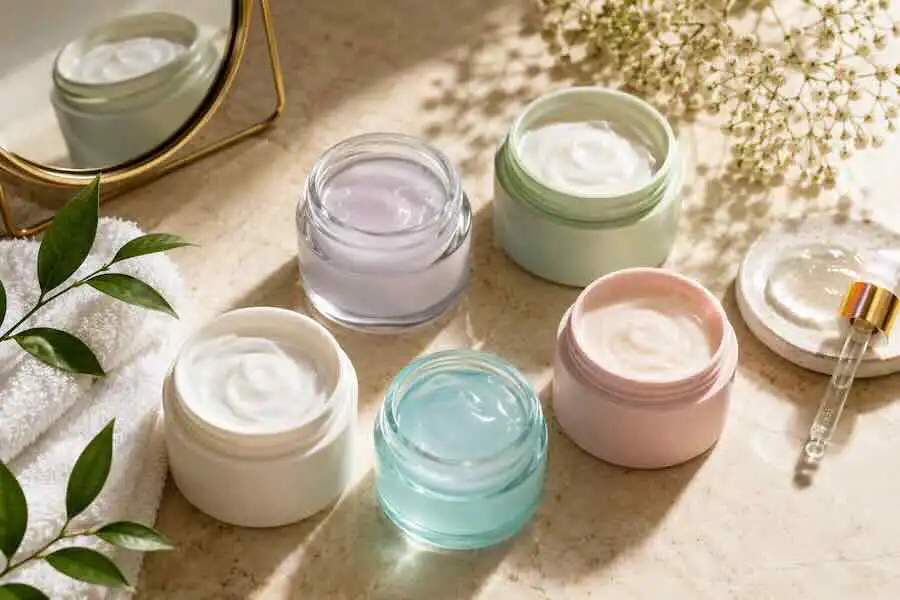
A good moisturizer should disappear into your routine almost unnoticed. No tightness by lunch. No heavy film beneath sunscreen. No sudden shine that makes you wonder whether your skin needed quite that much help. The right formula is less about chasing the newest skincare trend and more about understanding what your skin is asking for.
That becomes easier once you stop treating every moisturizer as interchangeable. Dry skin and oily skin may both need hydration, but texture, ingredients and the condition of the skin barrier can change what feels comfortable. Sensitive or combination skin adds another layer. In practice, choosing well often comes down to a few surprisingly simple observations.
First, Understand What Moisturizer Actually Does
Moisturizers help reduce water loss from the skin while improving softness and supporting the skin barrier. Different formulas accomplish this through combinations of humectants, emollients and occlusive ingredients.
Humectants such as glycerin and hyaluronic acid attract water. Emollients soften and smooth the spaces between skin cells. More occlusive ingredients create a physical layer that helps slow moisture loss. Many modern creams and lotions combine all three approaches rather than relying on a single hero ingredient.
The American Academy of Dermatology recommends applying moisturizer when skin is still damp after washing, helping trap existing moisture in the skin.
Your Skin Type Is a Starting Point, Not a Permanent Label
Skin changes. Winter air can leave normally balanced cheeks feeling papery and tight. Humid summer weather may make the same face noticeably oilier. Hormonal changes, medications, cleansing habits and active skincare ingredients can alter how a moisturizer performs as well.
Instead of choosing a product solely because the packaging says “dry,” “oily” or “combination,” notice how your skin behaves after gentle cleansing and throughout an ordinary day. Persistent tightness suggests different needs from widespread shine, while burning, itching or frequent reactions deserve particular care.
Dry Skin Usually Wants More Than Water
Dry skin can feel tight after cleansing and may develop roughness or visible flaking. A richer cream is often more comfortable than a very light gel because dry skin generally benefits from ingredients that soften the surface and help reduce moisture loss.
Look for combinations containing ingredients such as glycerin, ceramides, hyaluronic acid, petrolatum or shea butter. Rather than searching for the longest ingredient list, pay attention to how your skin feels several hours after application. Comfortable is the objective.
Applying moisturizer shortly after bathing or cleansing can be particularly useful. During the day, follow with appropriate sun protection rather than expecting a moisturizer without adequate SPF to perform the same job as sunscreen.
Oily Skin Still Needs Moisture
The instinct to strip oily skin until it feels squeaky clean can create an uncomfortable cycle. Oil and hydration are not the same thing, and an oily complexion can still benefit from moisturizer.
This is where texture becomes important. Lightweight lotions and gel-creams can deliver hydration without the dense finish of a richer cream. Ingredients such as glycerin, hyaluronic acid and panthenol frequently appear in these formulas.
If clogged pores are a concern, look for products labelled non-comedogenic, while remembering that individual skin responses can vary. Keeping the rest of the routine gentle also matters; aggressive cleansing and excessive exfoliation can leave skin feeling irritated rather than beautifully balanced.
Sensitive Skin Benefits From a Quieter Routine
Sensitive skin can turn an elaborate bathroom shelf into an exercise in detective work. When redness, stinging or irritation occurs easily, simplicity becomes useful.
Fragrance-free moisturizers with relatively straightforward formulas are often sensible places to begin. Ingredients commonly used in barrier-supporting or soothing products include ceramides, colloidal oatmeal and niacinamide, although even widely tolerated ingredients will not suit absolutely everyone.
Introduce unfamiliar products gradually rather than changing several parts of your routine at once. That makes it considerably easier to identify the culprit if your skin objects.
If irritation is persistent, painful or accompanied by significant redness, cracking or itching, speak with a dermatologist or other qualified healthcare professional instead of continually experimenting with new products.
Mature Skin: Think Comfort and Barrier Support
Skin often becomes drier with age, making richer textures and barrier-supporting ingredients increasingly appealing. Ceramides, glycerin and hyaluronic acid can all have a place here.
Retinoids are slightly different. Although frequently included in discussions about mature skin, they are active ingredients rather than simply moisturizers and can cause dryness or irritation. If you use a retinoid, a comfortable moisturizer can become an important companion in the routine.
And while cosmetic shelves may promise extraordinary transformations, moisturizer has a more grounded job: helping skin feel hydrated, supple and comfortable. Daily sun protection remains one of the most important parts of protecting skin from UV-related premature aging.
Combination Skin Doesn’t Necessarily Need Two Routines
An oily forehead and dry cheeks can make product selection feel unnecessarily complicated. Start with a lightweight moisturizer across the face and observe the result before building a miniature skincare laboratory around each zone.
If certain areas remain dry, add a slightly richer product only where needed. This targeted approach can be particularly useful when seasons change.
Divine’s guide to simple skincare habits for busy routines also makes a useful companion when the aim is consistency rather than an increasingly complicated collection of products.
When Should Moisturizer Go On?
There is no prize for waiting until your face feels completely dry. After cleansing, gently pat away excess water and apply moisturizer while the skin retains some dampness.
In the morning, moisturizer can sit beneath sunscreen. At night, it can be the final moisturizing layer after any compatible treatment products in your routine. Some people comfortably moisturize morning and evening; others adjust according to climate, skin condition and the products they use.
A Better Way to Shop the Skincare Aisle
Ignore the seductive jar for a moment and read the label.
Consider texture first: gel, lotion, cream or ointment. Then look at ingredients and fragrance, particularly if your skin is reactive. Finally, think about where the product needs to fit. A beautifully rich cream may be perfect beside the bed and uncomfortable beneath makeup on a warm morning.
Price is not a reliable measurement of compatibility. Neither is popularity. A moisturizer earns its place when you can use it consistently and your skin remains comfortable.
The Takeaway
The best moisturizer is not necessarily the one with the most fashionable ingredient, the heaviest texture or the most luxurious packaging. It is the one that makes sense for your skin today.
Start with skin type, then pay attention to texture, climate and how your complexion responds over time. Dry skin may appreciate a richer barrier-supporting cream. Oily skin may prefer something almost weightless. Sensitive skin often rewards restraint. Combination skin might simply require flexibility.
Good skincare can be remarkably quiet. Cleanse gently, moisturize thoughtfully, protect your skin from the sun and allow consistency to do more of the work.
Moisturizer Questions, Answered
Should I moisturize every day?
Many people benefit from regular moisturizing, particularly after cleansing or bathing. How frequently you need it depends on your skin, climate and skincare routine.
Does oily skin really need moisturizer?
Yes, oily skin can still need hydration. If richer creams feel uncomfortable, try a lightweight lotion or gel-cream and look for a non-comedogenic formula if clogged pores are a concern.
What should sensitive skin look for?
A simple, fragrance-free moisturizer is a sensible starting point. Introduce new products gradually, and seek professional advice if irritation is persistent or severe.
Is an expensive moisturizer better?
Not automatically. Ingredients, formulation, texture and compatibility with your skin matter more than prestige packaging or price.
Should moisturizer contain SPF?
A daytime moisturizer may include sun protection, but check that it provides suitable broad-spectrum protection and that you apply enough product. A separate sunscreen can make adequate application easier for many people.