




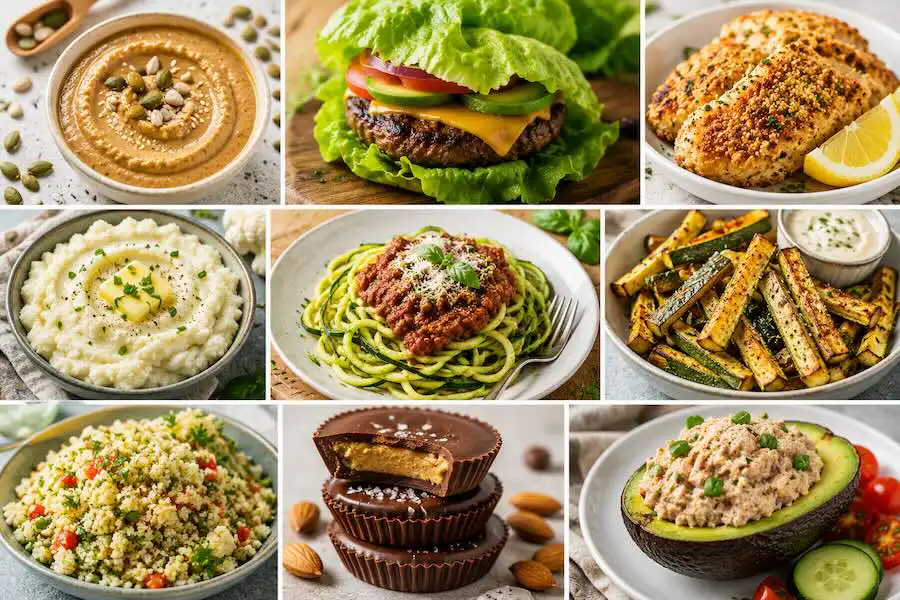
Keto-friendly eating becomes easier when the plate stops trying to imitate everything it replaces. Crisp lettuce around a savory filling, roasted zucchini beside a burger, or cauliflower folded with butter and seasoning can satisfy on their own terms while keeping carbohydrate intake relatively low.
The ketogenic diet is a very-low-carbohydrate, high-fat eating pattern designed to produce ketosis, a metabolic state in which the body increases its use of fat-derived ketones for energy. It is restrictive by design, however, and “low carb” does not automatically mean nutritious. The quality of fats, protein, vegetables and other foods still matters.
What makes a food keto-friendly?
Ketogenic diets typically restrict carbohydrates substantially, but there is no single carbohydrate limit that works identically for everyone. The precise composition can vary according to the approach being followed, individual metabolism and clinical circumstances.
That makes food labels useful. A product marketed as “keto” can still contain ingredients or carbohydrate levels that do not fit your particular eating plan. Check serving size, total carbohydrate, fiber, added sugars and the wider nutritional profile rather than relying on packaging language alone.
The Harvard Nutrition Source overview of ketogenic diets provides useful context on how the diet works, its potential effects and the questions surrounding long-term use.
Nut and seed butters
Nut butter does not automatically need to disappear from a ketogenic diet. Some unsweetened nut and seed butters can be relatively low in carbohydrate and provide predominantly unsaturated fats, although their nutritional profiles differ considerably.
Look for products without substantial amounts of added sugar. Almond, peanut, sunflower seed and other butters can be compared by reading the nutrition label and ingredient list.
Seed butter can also provide an alternative for people who avoid particular nuts, but an allergy-safe choice depends on the individual’s allergy and how the product was manufactured. Anyone with a serious food allergy should check allergen statements and cross-contact information carefully.
Swap bread and wraps for vegetables
Traditional bread, rolls and flour tortillas can contribute a significant amount of carbohydrate, so vegetable-based alternatives are among the simplest keto substitutions.
Large lettuce leaves make crisp wraps for chicken, tuna, egg, tofu or seasoned meat. Portobello mushroom caps can frame a burger, while avocado adds richness without pretending to behave exactly like bread.
If you prefer commercially produced low-carb bread or tortillas, inspect the nutrition label rather than assuming every product carrying keto language has the same carbohydrate content.
Replace breadcrumbs with lower-carb coatings
For a crisp coating on fish, chicken or vegetables, almond flour can provide a lower-carbohydrate alternative to conventional breadcrumbs. Crushed pork rinds are another option for people who eat pork, although sodium and saturated fat can vary considerably between products.
Seasoning matters here. Paprika, black pepper, garlic, dried herbs and grated hard cheese can create a flavorful crust without depending on a thick layer of breading.
Almond flour may also suit some gluten-free recipes, but it is not appropriate for people with relevant nut allergies. “Gluten-free” and “keto” describe different dietary considerations and should not be treated as interchangeable labels.
Make cauliflower mash instead of mashed potatoes
Cauliflower remains one of the most adaptable vegetables in low-carbohydrate cooking. Steam or roast it until tender, remove excess moisture and blend it with seasoning and a modest amount of butter, olive oil, cream or cheese according to your preferences.
The result is lighter than traditional mashed potato and has its own mild vegetable flavor. Roasted garlic, chives, black pepper or Parmesan can give it more depth.
Cauliflower can also become the base for rice-style dishes and some pizza crusts, although packaged cauliflower products may contain additional starches. Check the ingredients when carbohydrate intake needs to remain tightly controlled.
Use zucchini noodles for pasta dishes
Zucchini noodles are one of the most straightforward ways to keep the shape and sauce-heavy pleasure of a pasta dish while reducing its carbohydrate content.
A spiralizer can turn zucchini and other firm vegetables into ribbons or noodle-like strands. Cook them briefly; too much heat releases water and can leave the final dish soft.
Not every alternative pasta is keto-friendly. Chickpea, lentil and other legume-based pastas may offer fiber and protein, but they can still contain substantial carbohydrate. They should not be assumed to fit a ketogenic diet simply because they replace wheat pasta.
Choose lower-carb alternatives to fries
Zucchini, turnip and some other vegetables can be roasted into fry-like shapes when potatoes do not fit your carbohydrate target. Cut the pieces evenly, remove excess surface moisture, season them and roast until browned around the edges.
Sweet potatoes are sometimes presented as a keto substitute for regular potatoes, but they still contain meaningful amounts of carbohydrate. They may fit some less restrictive low-carb diets, but they are not automatically suitable for maintaining ketosis.
For zucchini fries, almond flour, Parmesan or another appropriate coating can provide additional texture before baking or air-frying.
Rethink rice with cauliflower
Finely chopped cauliflower can replace rice in stir-fries, bowls and side dishes. The trick is keeping some texture. Cook it quickly in a wide pan so moisture can escape rather than steaming it into softness.
Season it according to the dish rather than treating cauliflower rice as a neutral substitute. Lime and cilantro work in one direction; mushrooms and herbs in another. Sesame oil, scallions and egg can turn it into a satisfying fried-rice-style dish.
Choose fats with nutritional quality in mind
A ketogenic diet may be high in fat, but that does not make every source of fat nutritionally equivalent. Avocado, nuts, seeds, olive oil and oily fish can provide unsaturated fats alongside other nutrients.
The American Heart Association recommends replacing foods high in saturated and trans fats with foods containing monounsaturated and polyunsaturated fats as part of a heart-conscious eating pattern.
That is an important distinction when planning keto meals. Building the diet predominantly around butter, processed meat, cream and other saturated-fat-rich foods is very different from using olive oil, avocado, seeds, nuts and fish as recurring staples.
A practical keto-friendly swap list
- Burger bun: lettuce leaves or portobello mushroom caps
- Flour wrap: large lettuce or cabbage leaves
- Breadcrumbs: almond flour or another suitable low-carb coating
- Mashed potatoes: cauliflower mash
- Pasta: zucchini noodles
- Rice: finely chopped cauliflower
- Potato fries: roasted zucchini or suitable lower-carb vegetables
- Sugary nut butter: unsweetened nut or seed butter with an appropriate carbohydrate profile
Keto is not appropriate for everyone
A ketogenic diet can be difficult to maintain and may cause side effects or nutritional gaps when poorly planned. It can also require additional medical consideration for people with certain health conditions or those taking medications that affect blood glucose or blood pressure.
Anyone using a ketogenic diet therapeutically should follow appropriate clinical guidance. People who are pregnant, breastfeeding, managing diabetes or another chronic condition, taking prescription medication, or who have a history of disordered eating should discuss major dietary restriction with an appropriate healthcare professional before starting.
Ketosis should also not be confused with diabetic ketoacidosis, a dangerous medical emergency. The two involve ketones but are not the same physiological situation.
Conclusion
The easiest keto substitutions tend to be ordinary foods rather than complicated imitations: zucchini instead of pasta, cauliflower in place of rice or mash, lettuce around a filling and unsweetened nut or seed butter where it fits your carbohydrate target.
Keep the wider diet in view. Carbohydrate restriction is only one part of the nutritional picture. Vegetables, adequate protein, fiber where possible and an emphasis on unsaturated fats can make the difference between simply eating fewer carbohydrates and building a more considered eating pattern.
Frequently asked questions
What foods can replace bread on keto?
Lettuce leaves and portobello mushroom caps are simple whole-food alternatives for wraps and burgers. Commercial low-carb breads may also fit some ketogenic diets, but carbohydrate content varies, so check the nutrition label.
Can you eat nut butter on keto?
Some nut and seed butters can fit a ketogenic diet. Choose products without substantial added sugar and compare carbohydrate content by serving size. Individual carbohydrate targets vary.
Is chickpea pasta keto-friendly?
Not necessarily. Chickpea pasta can contain more protein and fiber than conventional pasta but still provides significant carbohydrate. Zucchini noodles are generally a much lower-carbohydrate alternative.
Are sweet potato fries keto?
Sweet potatoes still contain substantial carbohydrate and may not fit a strict ketogenic diet. Zucchini and certain other lower-carbohydrate vegetables are typically easier to accommodate within restrictive carbohydrate targets.
Does eating keto mean you can eat unlimited fat?
No. Food quality and energy intake still matter. When increasing dietary fat, prioritize sources of unsaturated fats such as olive oil, avocado, nuts, seeds and oily fish rather than assuming all high-fat foods have the same nutritional profile.