
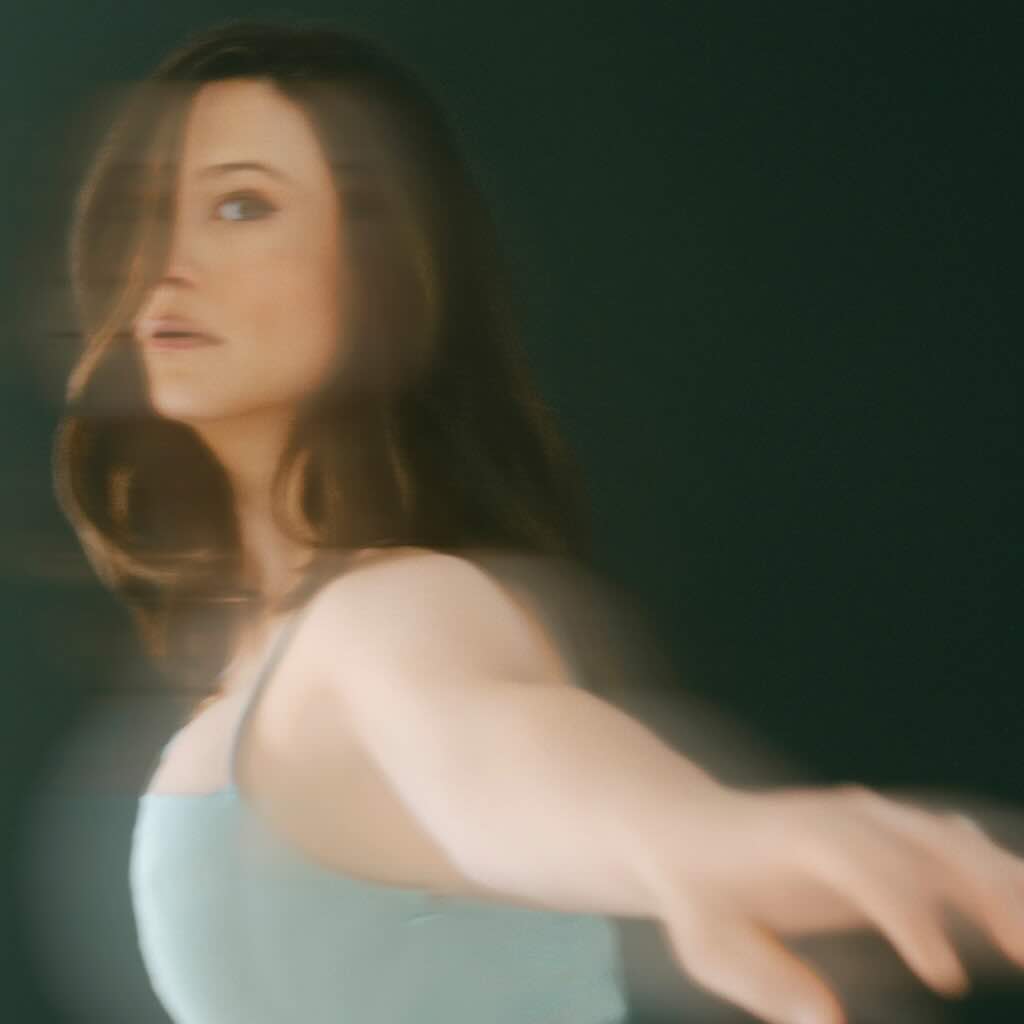
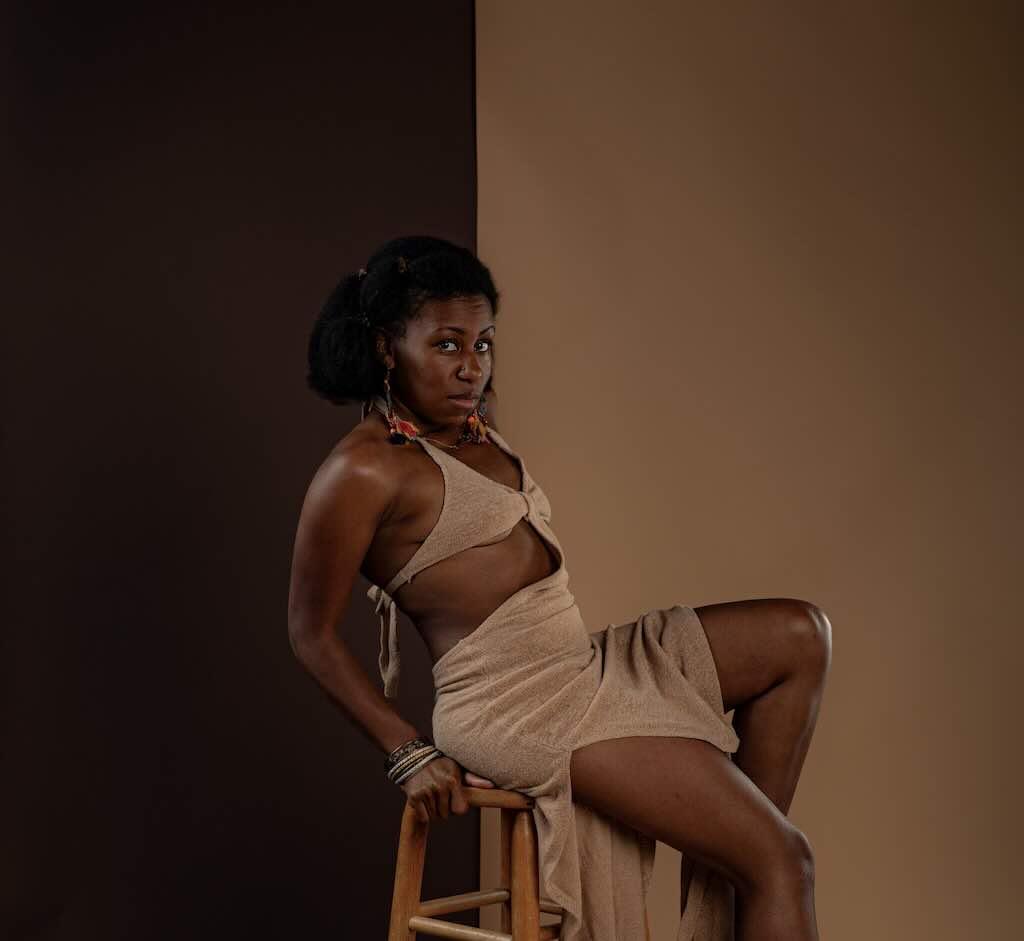
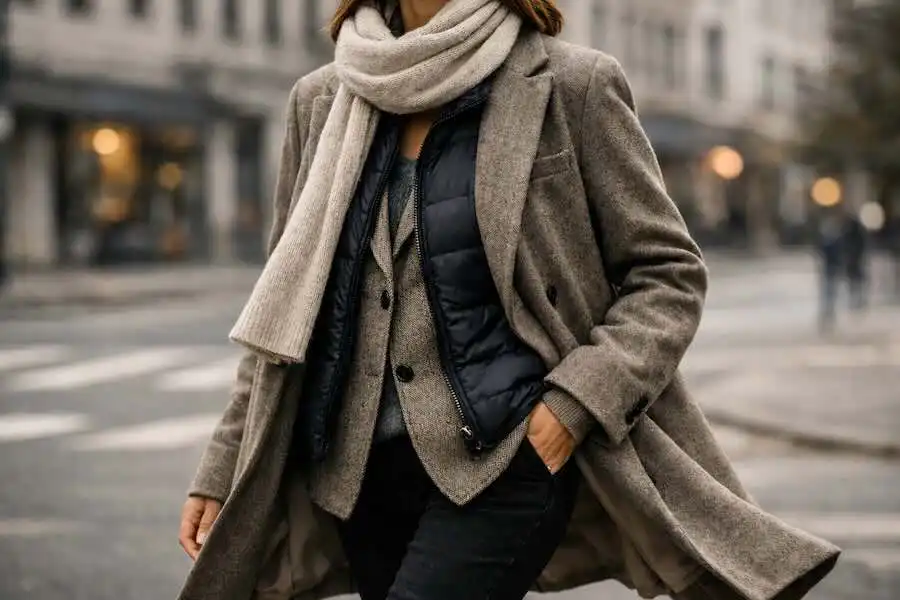
As the air turns crisp, fashion is settling into a new mood: Adaptive Maximalism. Quiet luxury has had its run — this season is about bold self-expression, high-performance texture, and silhouettes built for every body and every climate. Vogue’s coverage of modern maximalism is worth a look for the fuller context.
Urban commute or mountain retreat, the “stack” is what keeps you warm without losing the aesthetic edge. Harper’s Bazaar’s winter layering coverage is a good companion read for cold-weather styling.
Why Layering Anchors 2026 Fashion
- Climate versatility: Unpredictable weather has made the ability to shed or add layers a genuine necessity, not a style choice. Business of Fashion has covered how climate change is reshaping the industry more broadly.
- The collected aesthetic: 2026 rewards looking like your wardrobe was built over time. Layering is what lets vintage finds sit next to technical gear without friction.
- Sustainability: Layering naturally favors seasonless capsule pieces, extending what a garment can do across the year. ELLE’s sustainability guide is a solid resource if you want to go deeper.
Key Layering Trends for FW 2026
1. The Tech-Meets-Tweed Stack
Gorpcore-Lite is having a real moment — ultra-thin Gore-Tex technical vests layered under oversized heritage tweed. Rugged functionality meets academic polish, and somehow it works. GQ’s breakdown of the Gorpcore movement covers the full arc of the trend.
2. Sculptural Knitwear & Transparent Layers
Sheer turtlenecks under heavy, sculptural cable-knits play with weight in a way that reads as genuinely new — visual depth from contrast rather than color. Exaggerated sleeves or asymmetrical hems add the drama. Who What Wear’s roundup of sculptural knits is worth browsing for reference.
3. Monochromatic Depth
Rather than contrast, 2026 leans into five shades of a single color — Midnight Cobalt, Burnished Copper. Mixing texture (satin, wool, leather) within one hue family is the real trick behind a high-fashion tone-on-tone look. InStyle’s monochrome guide is a strong reference point.
4. Adaptive, Gender-Fluid Silhouettes
Universal sizing and inclusive design keep gaining ground. Shackets and wrap-style mid-layers are built for ease of movement across gender identity and body type alike — see The New York Times’ coverage of genderless style for the broader shift.
Building the 2026 Layered Outfit
- The sensory base: A moisture-wicking merino wool layer, often bright or patterned this year so it peeks through at collar and cuff.
- The architectural mid: A structured piece — denim vest, zip cardigan, lightweight puffer.
- The Statement shell: A longline cocoon coat or oversized trench closes it out. Recycled wool blends and faux-shearling are the season’s favorites. Marie Claire’s winter coat guide is a strong outerwear reference.
- The power accessory: A blanket scarf or modular hood attachment. Vogue’s 2026 trend forecast flags multifunctional accessories as one of the season’s real must-haves.
Brands Worth Watching
- Arket: Sustainable base layers and modular outerwear, consistently well-made.
- Eileen Fisher: Timeless, inclusive layering built from ethical fiber.
- Uniqlo: HeatTech and Ultra Light Down remain the best invisible-warmth layers on the market.
- The Frankie Shop: The oversized, gender-neutral blazers defining the tech-tweed look.
Pro Styling Notes
- Belt the mid-layer. If the stack feels bulky, a wide leather belt over a cardigan or blazer reclaims the waistline instantly.
- Aim for three-point visibility. Let at least three layers show at the neckline or wrists — it’s what signals the look was intentional, not accidental.
- Contrast the fabrics. A delicate silk slip dress under a heavy biker jacket and a chunky knit scarf is texture clash done right. Refinery29’s texture-mixing guide has more direction here.
Which layering trend are you trying first this season? Monochromatic stack or technical hybrid — share your take and tag #DivineStyle2026 for a chance to be featured.
FAQ
What makes layering so central to 2026 fashion?
It blends practicality with aesthetics — unpredictable weather and a shift toward expressive, collected wardrobes both point the same direction. Business of Fashion’s climate impact report covers the practical side in more depth.
How do I avoid looking bulky when layering?
Structure and proportion do the work — thin moisture-wicking base, a sculptural or tailored mid-layer, a streamlined coat to close it. A belt on the mid-layer helps define shape if things start to feel shapeless.
What colors work best for tone-on-tone layering?
Deep blues, warm neutrals, metallic earth tones, and jewel shades all hold up well. The real trick is texture variation — satin, wool, leather — within one color family. InStyle’s monochrome guide has good visual reference.
Are gender-fluid silhouettes still trending?
Yes, and the shift keeps deepening. Oversized blazers, shackets, wrap layers, and modular outerwear are increasingly designed for a wide range of bodies and identities — The New York Times’ coverage traces the broader trajectory.
What fabrics should I prioritize for layering?
Merino wool at the base, structured denim or quilted pieces mid-layer, recycled wool or faux shearling for the outer shell — a combination that balances warmth, breathability, and style. Smartwool’s fabric guide covers merino performance specifically.
How do I make a layered outfit look intentional rather than accidental?
The three-point visibility rule works well — at least three layers visible at the neckline, cuffs, or hem creates real depth and reads as deliberate.
What accessories complement 2026 layering?
Blanket scarves, modular hoods, oversized belts, textured gloves. Vogue’s 2026 trend forecast puts multifunctional accessories high on the list this season.