




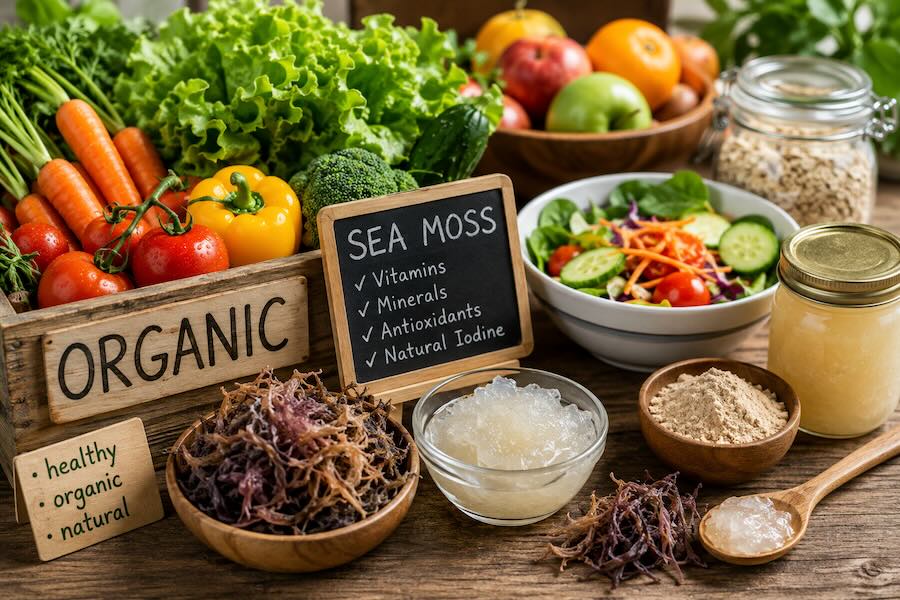
Organic food has moved from a specialist aisle into everyday shopping, but the label is still surrounded by assumptions. Choosing organic can change how food is produced and how farms manage soil, livestock and pesticides, yet it does not automatically make every product healthier or more nutritious.
What Does “Organic” Actually Mean?
“Organic” describes a method of agricultural production rather than a simple claim that a food is natural or healthy. In the United States, products carrying the USDA Organic label must meet regulated production and certification standards.
Those standards restrict practices including genetic engineering, irradiation, sewage sludge and many synthetic fertilizers and pesticides. Organic livestock production also places requirements on feed, animal care and the use of antibiotics and growth hormones. The USDA National Organic Program oversees the standards used for certified organic agricultural products.
What Are the Benefits of Organic Food?
One of the clearest differences concerns agricultural practices. Organic farming restricts many conventional synthetic pesticides and fertilizers while emphasizing practices designed to support soil health, biodiversity and ecological balance.
Organic produce can also have lower exposure to certain pesticide residues. That does not mean organic farming uses no pesticides at all. Rather, certified producers must work within a defined list of permitted substances and production methods.
Nutrition is less clear-cut. Organic and conventionally produced foods can both form part of a nutritious diet, and the organic label alone should not be treated as a guarantee that a product contains more vitamins or is inherently healthier.
Organic Does Not Mean Chemical-Free
This distinction matters. Everything we eat is made of chemical compounds, and organic agriculture can use approved pesticides and other agricultural inputs. The practical difference lies in which substances and production techniques certification rules permit.
For shoppers, the label is most useful as information about how a product was produced. Fresh fruit, vegetables, legumes, whole grains and other nutrient-rich foods remain valuable choices whether they are conventionally or organically grown.
Where Does Sea Moss Fit In?
Sea moss has become a familiar sight in wellness culture, sold raw and in gels, powders, capsules and gummies. Usually referring to edible red algae such as Chondrus crispus, it can provide nutrients including iodine, folate, calcium and zinc.
Its online reputation, however, has moved faster than the research. Claims that sea moss can prevent Parkinson’s disease, produce significant weight loss, regrow hair or “detox” the body should not be presented as established medical benefits. Research specifically examining sea moss in humans remains limited.
Potential Benefits and Risks of Sea Moss
Sea moss can contribute minerals and fiber to the diet, and its iodine content is particularly notable because iodine is required for normal thyroid hormone production. Yet that same characteristic creates a reason for moderation.
The amount of iodine in seaweed products can vary, and excessive iodine intake may interfere with thyroid function. Seaweed can also absorb heavy metals from its environment. People with thyroid conditions, those taking medication or anyone considering concentrated sea moss supplements should discuss their intake with an appropriate healthcare professional.
How Can You Use Sea Moss?
Sea moss gel has a relatively neutral character that makes it easy to incorporate into food. Depending on the product, small amounts can be blended into smoothies and juices or incorporated into soups, sauces and desserts.
- Smoothies and juices
- Soups and stews
- Sauces
- Desserts
- Homemade frozen treats
Check serving instructions carefully, particularly with supplements and concentrated products. More is not necessarily better when a food naturally contains substantial amounts of iodine.
Making Organic Food Part of a Balanced Diet
Buying organic can make sense when production methods, environmental considerations or personal preferences matter to you. It does not need to become an all-or-nothing rule. Budget, availability, nutritional variety and the amount of fresh food you actually eat matter too.
A colorful plate of vegetables, fruit, whole grains and varied protein sources remains more meaningful than a single label. Organic certification can tell you a great deal about agricultural production. It cannot, by itself, tell you whether your entire diet is healthy.
Frequently Asked Questions
Is organic food pesticide-free?
No. Organic farming can use certain approved pesticides. Certification restricts which substances and farming methods may be used rather than guaranteeing that absolutely no pesticides are involved.
Is organic food always healthier?
Not necessarily. Organic describes production standards, not the complete nutritional quality of a food. An organic snack high in sugar, for example, does not automatically become nutritionally superior because its ingredients are organic.
Is sea moss a superfood?
“Superfood” is primarily a marketing term rather than a scientific classification. Sea moss contains useful nutrients, but research into many of the health benefits attributed specifically to sea moss remains limited.
Can you consume sea moss every day?
Some people include it regularly in their diets, but iodine levels can vary considerably between products. Following appropriate serving guidance is important, and people with thyroid conditions should seek medical advice before regularly consuming sea moss or sea moss supplements.