


The Middle East is diverse, historic, and genuinely beautiful — a region spanning countries with strikingly different laws and social norms, all sharing a role as the birthplace of the world’s major religions, including Judaism, Christianity, Islam, and the Baháʼí Faith. Historically rich in every direction, it draws travelers from across the globe.
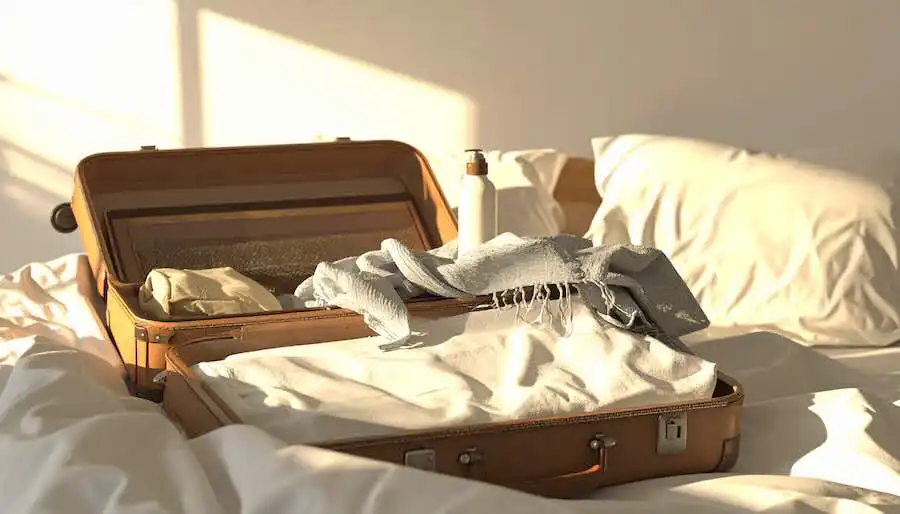
Before traveling to any Middle Eastern country, it’s genuinely worth reading up on its history, social and economic context, and cultural norms specifically — the region covers everything from the Levant to the Gulf states to North Africa, and customs vary meaningfully country to country. Outside Israel, Islamic teaching shapes much of the region’s cultural fabric, so a working knowledge of local customs helps enormously with day-to-day navigation. As with travel anywhere, genuine sensitivity to local culture goes a long way. Now, onto the genuinely cumbersome task of packing for the region — here’s a full list to help make sure nothing important gets left behind.
Clothes
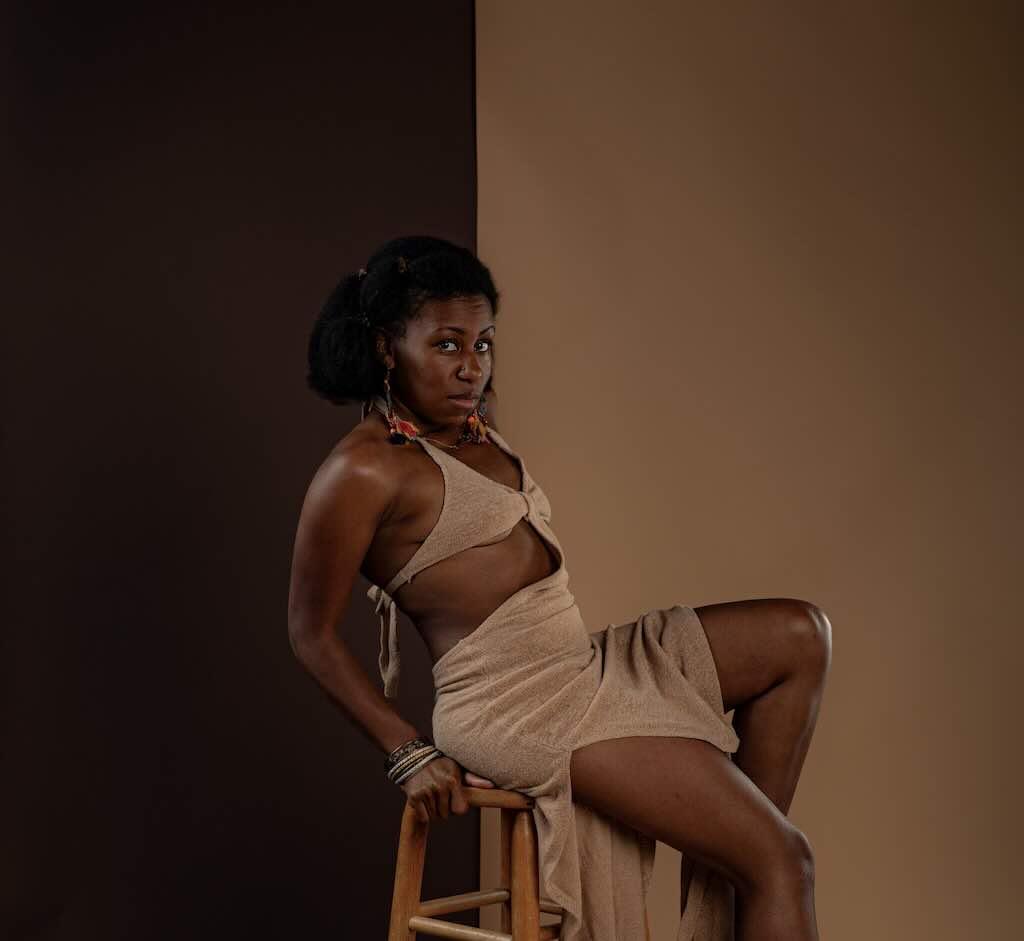
Climate across the Middle East runs hot and dry for most of the year, with mild winters and light rain. Clothing that’s covered but genuinely breathable works best. Norms vary by country — Israel and the UAE tend to be more relaxed, while more conservative countries in the region expect, and sometimes require, fuller coverage, particularly for women.
A reliable rule of thumb: keep knees and shoulders covered in most settings. For women traveling through more conservative areas, a scarf genuinely earns its place in the bag twice over — real protection from intense sun, and appropriate coverage when visiting religious or sacred sites.
For footwear, sneakers for long walks, sandals for the hottest days, and one pair of nicer shoes for evenings out cover most situations. A swimsuit genuinely earns its spot too, for the coastal stretches worth enjoying in that sunny weather. Sunglasses, hats, caps, and a bandana or two round out the real defense against the heat.
Most travelers genuinely prefer packing light here, and it’s the more practical choice too — intense heat makes hauling heavy luggage a real hassle. A clever rotation of skirts, pants, and shorts paired with a solid selection of tops covers essentially every day and night activity.
Men can generally get away with a tank top day-to-day, though it’s genuinely worth swapping for something more covered at religious sites — men aren’t bound to a strict dress code across the region, but most sacred sites do expect covered clothing regardless of gender.
Electronics
Exact needs vary by traveler, but a few items genuinely make the trip easier — a power bank for phones and other devices, a camera for capturing the trip properly, and chargers for a laptop or tablet if either is coming along. A universal adapter is genuinely essential too, saving the hassle of hunting one down locally.
Accessories
high-SPF sunscreen, sunglasses, a wide-brimmed hat, wipes, and a portable fan all genuinely earn their place for a Middle East trip.
Hydration deserves real attention too — rather than burning through plastic bottles, a refillable, insulated water bottle keeps water cool and cuts down on waste at the same time. Deodorant and a light moisturizer round out the essentials.
Medication
Finding a specific medication abroad can be genuinely difficult, so it’s worth erring on the side of caution. Beyond daily medications for ongoing conditions like diabetes or migraines, packing mosquito repellent, basic pain relief, and bandages is genuinely worthwhile. Anyone prone to jet lag should pack whatever remedy actually works for them too.
Women should pack their own tampons or pads, since finding these in more conservative areas can genuinely be an awkward errand. For couples traveling together, condoms are worth including in the bag as well.
Must-Not-Haves
A few items are genuinely worth leaving at home when traveling to more conservative parts of the Middle East:
- Immodest clothing: The region’s hospitality tends to be genuinely warm, and locals will often overlook a wardrobe misstep — but real cultural awareness goes a long way, and revealing clothing is generally worth avoiding.
- Flashy, expensive jewelry: Leaving valuable pieces at home and opting for costume jewelry instead removes a genuine source of travel anxiety — nothing lost worth losing sleep over.
- Alcohol or other intoxicants: Public drinking is genuinely prohibited in most Islamic-majority countries. Going alcohol-free for the trip, or asking a local travel consultant about specific licensed venues, is the safer route.
- Clothing with profanity: Broadly acceptable in more casual, Western contexts, but genuinely worth avoiding in more conservative ones — not worth the unwanted confrontation.
- Unnecessary documents or items: Extra credit cards, checkbooks, and anything else genuinely useless abroad are better left at home.
- Weapon-like tools: Pocket knives, blades, and anything that could genuinely read as threatening shouldn’t be carried or displayed in public — not worth the misunderstanding.
- Pornographic material: Genuinely best avoided entirely — it’s frowned upon across the region and can draw exactly the kind of unwanted attention nobody wants on a trip.
Conclusion
Some travelers genuinely prefer destinations that mirror their own culture — familiar, comfortable, predictable. But the real spirit of travel lives in experiencing everything the world has to offer, differences included. Those diverse experiences don’t just fill a travel diary; they genuinely enrich a life, revealing how often shared values simply wear different clothes depending on where you find them.
FAQ: Packing for the Middle East
Q: Do dress code expectations vary a lot between Middle Eastern countries? A: Genuinely, yes — the region isn’t culturally uniform. The UAE and Israel tend to be more relaxed with tourist dress codes, while Saudi Arabia and Iran expect stricter coverage, particularly for women. Researching the specific country on the itinerary matters more than following one blanket rule for “the Middle East.”
Q: Is it safe to drink tap water while traveling in the region? A: It varies by country and even by city — tap water is generally safe in the UAE, Qatar, and Israel, but bottled or filtered water is the safer default in much of the rest of the region. A refillable bottle with a built-in filter is a genuinely practical middle ground.
Q: Can I bring prescription medication into Middle Eastern countries? A: Most prescription medication travels fine with proper documentation, but some countries — the UAE among them — maintain strict, specific restrictions on certain controlled substances, including some common medications. Checking the destination country’s customs regulations before departure is genuinely worth the ten minutes it takes.
Q: What should unmarried couples know before traveling together in the region? A: Laws and enforcement around unmarried couples sharing accommodation vary significantly by country — more relaxed in places like the UAE’s major cities, considerably stricter elsewhere. It’s genuinely worth checking the specific legal context of the destination in advance rather than assuming.