




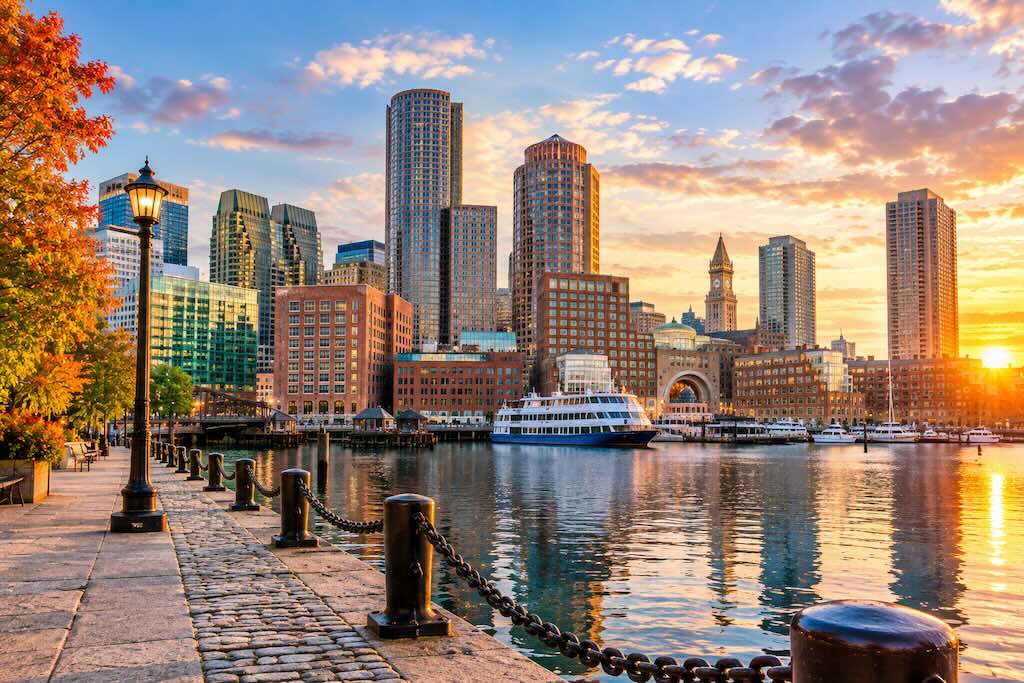
Boston is one of those cities that can feel historic and contemporary at the same time. Centuries-old streets and landmarks sit alongside lively neighborhoods, waterfront spaces, restaurants, museums and universities, giving visitors plenty to explore without needing an especially long trip.
Whether you’re interested in American history, New England food, walkable neighborhoods or using the city as a starting point for a fall road trip, here are five reasons Boston deserves a place on your travel list.
Walk Through American History
History isn’t confined to museums in Boston. It’s built into the streets.
The city played a central role in events surrounding the American Revolution, and one of the easiest ways to explore that history is by following the Freedom Trail. The route connects a collection of historic locations across central Boston, allowing you to combine sightseeing with a walk through the city.
Boston Common is another essential stop. Established in the 17th century, the public park provides a green space in the heart of the city and makes a natural starting point for exploring nearby historic neighborhoods.
Even if you’re not normally someone who builds vacations around history, Boston makes the past remarkably difficult to ignore — in a good way.
Explore Boston’s Neighborhoods
Boston becomes more interesting when you move beyond a checklist of famous landmarks and spend some time exploring its different neighborhoods.
Beacon Hill delivers the classic Boston image with brick sidewalks, historic townhouses and narrow streets. Back Bay offers impressive architecture and shopping, while the North End is known for its Italian-American heritage and dense collection of restaurants and cafés.
Across the Charles River, Cambridge adds another dimension to a Boston trip. Harvard Square is particularly easy to explore on foot, with bookstores, cafés, restaurants and the atmosphere surrounding Harvard University.
Rather than trying to see every neighborhood in one visit, choose a few and give yourself enough time to wander.
Spend Time Along the Waterfront
Boston’s relationship with the water is an important part of the city’s character, and the waterfront offers a change of pace from its historic streets.
Walking along the harbor gives you views of boats, modern architecture and open water while keeping you close to many central attractions. It’s particularly enjoyable when the weather is warm enough to slow down rather than rush between sightseeing stops.
The waterfront also makes it easy to combine a walk with museums, restaurants or simply finding somewhere to sit and watch the harbor for a while.
Come Hungry for New England Food
Food is reason enough to leave some empty space in a Boston itinerary.
New England clam chowder is one of the obvious dishes to try, particularly if you enjoy seafood. Lobster rolls are another regional favorite, while Boston cream pie provides something considerably sweeter.
Boston baked beans may have helped inspire the city’s famous “Beantown” nickname, but don’t make the mistake of assuming traditional dishes define the entire food scene. Modern Boston offers everything from casual neighborhood restaurants and food halls to sophisticated dining and international cuisine.
The North End is especially tempting if Italian food is high on your list. Just be prepared to make difficult decisions when you reach dessert.
Use Boston as Your Gateway to a New England Fall
Summer is an obvious time for a Boston city break, but autumn can completely change the experience.
As temperatures cool and foliage begins changing, Boston becomes a convenient starting point for exploring more of New England. If you have enough time, renting a car and extending the trip beyond the city can turn a few days in Boston into a much bigger fall escape.
The timing of peak foliage varies from year to year and by location, so don’t assume a particular September or October weekend will automatically deliver perfect color. Check current foliage conditions closer to your trip if autumn scenery is one of your main reasons for visiting.
When Is the Best Time to Visit Boston?
There’s no single perfect season because the best time depends on what you want from the trip.
Late spring and summer are appealing for walking, waterfront time and longer days. Fall brings cooler temperatures and the possibility of combining Boston with New England foliage. Winter can be cold and unpredictable, but it also offers a very different atmosphere and potentially fewer leisure travelers at some attractions.
For a first visit centered around sightseeing on foot, comfortable weather can make a significant difference. Boston is a city you’ll appreciate much more when you’re willing to walk.
Is Boston Worth Visiting?
Boston works particularly well as a city break because you don’t have to choose between history, food, neighborhoods and outdoor spaces. You can experience all of them within the same trip.
Spend the morning following the Freedom Trail, stop for lunch in the North End, wander through Beacon Hill in the afternoon and finish beside the harbor. Add Cambridge or a New England road trip if you have more time.
Boston may be one of America’s oldest major cities, but that’s only part of its appeal. The combination of historic character and modern city life is what makes it worth discovering for yourself.
FAQ: Planning a Trip to Boston
How many days do you need in Boston?
Three days is a good starting point for a first visit, giving you enough time for major historic attractions, several neighborhoods and the waterfront without packing every hour with sightseeing. Add extra days if you want to explore destinations outside Boston.
Is Boston a walkable city?
Many of Boston’s central attractions and historic neighborhoods can be explored on foot. Public transportation can help connect areas farther apart, but comfortable walking shoes are still one of the most useful things to pack.
What food should you try in Boston?
New England clam chowder, lobster rolls and Boston cream pie are three classics to consider, but the city’s restaurant scene extends far beyond traditional New England dishes.
Is Boston good for a fall vacation?
Yes. Fall brings cooler weather and seasonal color, while Boston can also serve as a starting point for exploring autumn scenery elsewhere in New England. Foliage timing varies each year, so check conditions shortly before traveling.