




Whether you live in Italy or are just visiting, you owe it to yourself to sample a truly fantastic 4-star Tuscan dinner in Florence, Italy. In 2026, the city’s culinary scene continues to beautifully bridge the gap between ancient culinary traditions and contemporary innovation. The meal is understandably sublime, but it’s the historic ambiance, meticulous service, and locally sourced ingredients that combine with the flavors to make it an unforgettable experience. It’s time to discover more.
Know Your Food: The Pillars of Tuscan Cuisine
Before you choose the spot for a dinner in Florence, Italy, you should know what traditional dishes you have to sample while in Tuscany. True Tuscan cooking relies on cucina povera—the tradition of elevating simple, high-quality, local ingredients into culinary masterpieces. The following choices are certain to get your mouth watering:
Fettunta: A simple mix of grilled, unsalted Tuscan bread rubbed with fresh garlic and drenched in premium, extra-virgin olive oil. It is the perfect, rustic way to start a traditional meal.
Panzanella: A refreshing summer salad made with ripe tomatoes, crisp cucumbers, and red onions, all mixed with high-quality olive oil, vinegar, and soaked leftovers of stale Tuscan bread.
Potato Tortelli: Traditional, pillowy pasta squares filled with a savory potato purée, typically served with a rich, slow-cooked wild boar or beef ragout.
Acquacotta: Translating literally to “cooked water,” this historic maremma vegetable soup is elevated with a perfectly poached egg and a dusting of aged Pecorino cheese.
Ribollita: A hearty winter classic made by combining kale, cannellini beans, and leftover bread. Cooled down and then simmered a second time with a generous pour of local olive oil, its name literally means “boiled twice.”
Castagnaccio: A dense, uniquely Tuscan autumn cake made with chestnut flour, water, rosemary, sultanas, and pine nuts, finished with a drizzle of olive oil.
The Italian Love Of Food
It’s essential to note that this is more than just a high-end dining experience that could be had virtually anywhere in the world. The Italians have long had a deep-rooted love affair with food; they are as famous for their regional culinary pride as they are for their frantic hand gestures and passion for everyday life.
Food is more than just something they eat—it’s a profound expression of heritage, family, and art. The people of Florence have a simple, reverent relationship with their ingredients. At the heart of all traditional Florentine cooking are four basic structural pillars: bread, beef, olive oil, and wine.
Of course, you’ll easily find specialty dishes from across Italy in any upscale Florentine restaurant. However, when dining in the regional capital, it’s highly recommended to sample the native Tuscan dishes that focus on mellow, cave-aged cheeses, wood-fired meats, and perfectly seasoned heirloom beans.
The magic occurs when the Florentines take these simple components and turn them into a 5-star sensory journey. You’ll definitely want to try the hand-cured sliced meats, fresh seasonal vegetables glistening with locally pressed olive oil, and classic chicken liver crostini. Just remember to choose a bold local vintage to wash it down with—your taste buds are in for a treat.
Choosing The Right Establishment
You’ll find there are plenty of fantastic establishments offering dinner in Florence, Italy. But if you want a true 4-star experience, you need an environment that masterfully pairs first-class gastronomy with unparalleled hospitality.
In short, you’re going to want to check out Santa Elisabetta, which sits nestled inside the original Byzantine Pagliazza tower of the luxurious 4-star Brunelleschi Hotel. Led by elite culinary talent, the dining experience here is nothing less than extraordinary. You’ll find an abundant, curated selection of traditional dishes treated with modern reverence, alongside the kind of attentive service that leaves you feeling like royalty.
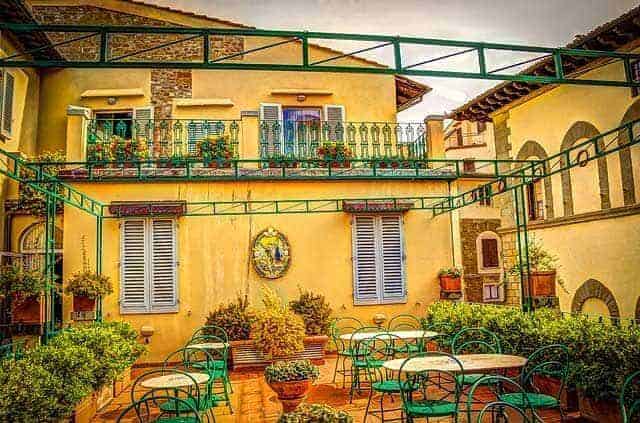
If you prefer a relaxed, contemporary twist on the old classics, the hotel features a secondary restaurant, the Osteria Pagliazza. Located on the ground floor, it boasts a stunning outdoor courtyard perfect for dining al fresco during warm Italian evenings.
Whether you’re looking for a sophisticated tasting menu, a celebratory gala dinner, a high-stakes business meeting, or a little romance under the Tuscan stars, you’ll find the complete fine dining package at this historic property.
Conclusion: A Feast for the Senses
There are nearly 400 Michelin-starred restaurants scattered across Italy, each offering exceptional food and memories to last a lifetime. However, Santa Elisabetta inside the Brunelleschi Hotel offers something truly rare: the chance to dine within walls that have stood for over a millennium. It seamlessly fuses historical wonder with cutting-edge Italian gastronomy, making it an essential pilgrimage for anyone seeking the absolute pinnacle of Tuscan dining. For travelers wanting to explore the broader cultural impact and strict protection of authentic Italian food products, checking out resources from the Italian National Tourist Board (ENIT) can help you plan an authentic culinary itinerary. Pull up a chair, pour a glass of Chianti, and enjoy the adventure.
Frequently Asked Questions
Q: What is the significance of the “Bistecca alla Fiorentina” and how should it be ordered?
A: Bistecca alla Fiorentina is the undisputed king of Florentine cuisine. It is a thick-cut T-bone steak sourced from the ancient Chianina breed of cattle, traditionally grilled over charcoal. True Florentine chefs will prepare it only one way: *al sangue* (rare). Requesting this specific steak well-done is considered a serious cultural faux pas in Tuscany, as it compromises the natural tenderness and flavor of the premium beef.
Q: Why is traditional Tuscan bread baked entirely without salt?
A: The tradition dates back to the 12th century during a historic feud between Florence and the coastal city of Pisa. Pisa blocked salt shipments moving inland to force a surrender, prompting Florentine bakers to simply make their dough without it. Today, the lack of salt is intentional; it allows the bread to act as a neutral canvas that balances out the intensely savory, salty flavors of Tuscan prosciutto, salumi, and rich ragout sauces.
Q: How far in advance should I book a table at a fine dining restaurant in Florence?
A: For highly acclaimed or Michelin-starred venues like Santa Elisabetta, it is highly recommended to reserve your table at least 2 to 4 months in advance, especially if you are traveling during the peak spring-through-autumn tourist season. Because these intimate, historic spaces often feature a limited number of tables to maintain an elite standard of service, walk-in availability for fine dining is virtually non-existent. You can explore the latest culinary rankings and seasonal dining trends across the country via the official Michelin Guide Italy.
Q: What is the standard tipping etiquette when dining out at high-end restaurants in Italy?
A: Unlike in North America, tipping is not mandatory or heavily hardwired into Italian restaurant culture. Your bill will typically include a *pane e coperto* (a small bread and cover charge per person) and sometimes a *servizio incluso* (service charge). However, for exceptional 4-star and 5-star service at premium establishments, leaving an additional tip of 5% to 10% of the total bill in cash is highly appreciated as a generous token of satisfaction.