




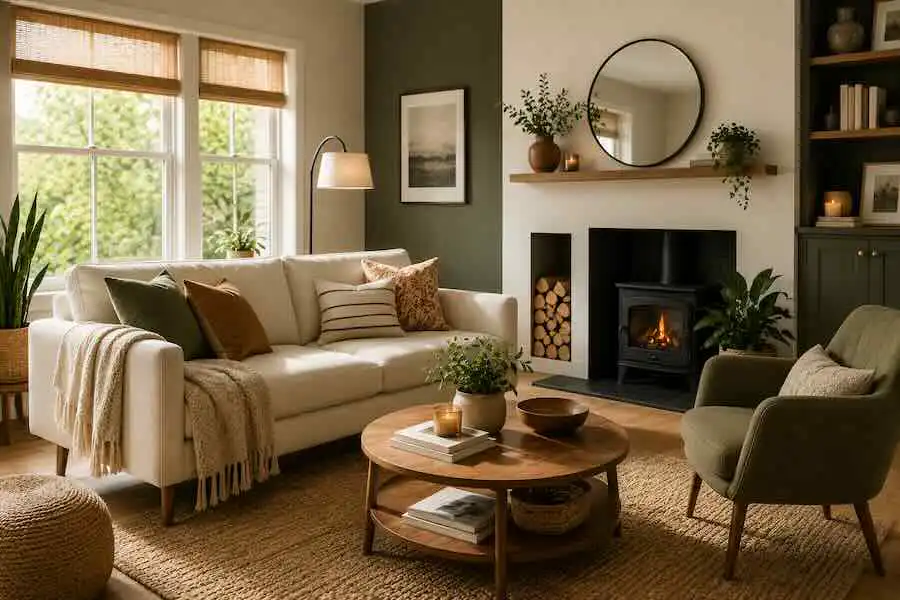
A home can begin to feel tired without anything being particularly wrong. The walls look familiar, the furniture has stopped catching your eye, and a room that once felt considered starts to feel flat. Fortunately, refreshing an interior does not have to mean replacing everything in it.
The smartest updates often come from working with what is already there: better light, a warmer room, a cleaner wall color, or furniture positioned differently. A limited budget can actually encourage more thoughtful choices. Before buying another chair or decorative object, look at how the space feels and identify what is creating the friction.
Start with the surfaces you see every day
Paint remains one of the quickest ways to change the atmosphere of a room. A fresh wall has a particular clarity to it. Corners look sharper, daylight feels cleaner, and existing furniture suddenly has a different backdrop.
Cheap paint can be tempting when several rooms need attention, but coverage, durability and washability matter. In busy hallways, kitchens and family spaces, a more durable finish may require fewer coats and withstand everyday marks better, potentially making it the more economical choice over time.
You do not need a dramatic color transformation either. Warm whites, chalky neutrals and restrained earthy shades can make rooms feel quieter while allowing wood, textiles, artwork and plants to provide contrast. If natural light is limited, test samples at different times of day before committing to an entire wall.
Comfort belongs in the renovation budget
A beautiful room that is persistently cold will never feel completely finished. Before spending heavily on decorative changes, consider the less visible details that influence comfort: draughts around windows and doors, radiator performance, insulation and the condition of the heating system.
Simple maintenance can make a noticeable difference. Bleeding radiators where appropriate, checking seals and introducing heavier textiles for colder months can create a warmer interior without changing its architecture. If existing radiators need replacing, homeowners can also explore designer radiators that treat heating as part of the room rather than something to disguise.
The same practical thinking applies to the boiler. An ageing or inefficient system deserves professional assessment before it becomes an expensive emergency. Providers such as BOXT offer replacement options, but compare suitable systems, installation requirements, warranties and running costs rather than choosing on appearance or headline price alone.
Move the room before buying for the room
One of the cheapest interior updates costs nothing: rearrange what you own.
Pull an armchair towards the window. Give a large sofa more breathing room. Move a side table somewhere it will actually be used. Restyle shelves with fewer objects and leave some empty space between books, ceramics and photographs. Changing sightlines can make familiar furniture feel surprisingly new.
Textiles can do the rest. Rather than replacing a structurally sound sofa, introduce a textured throw or a small collection of cushions in complementary tones. The aim is not to cover every surface. A few deliberate changes usually read as more polished than filling a room with inexpensive accessories.
Treat daylight as part of the décor
Morning light sliding across a floor can change a room more convincingly than another decorative purchase. Look at windows first. Heavy treatments, tall furniture and cluttered sills may be reducing the daylight you already have.
Lighter blinds or curtains can soften a window without visually closing it. Mirrors positioned to catch daylight can carry brightness further into the room, while reflective glass, pale ceramics and subtle metallic finishes introduce smaller flashes of light.
After sunset, avoid relying on one harsh ceiling fixture. Layering table lamps, floor lamps and task lighting creates pockets of warmth and gives the room greater depth. This is particularly effective in living rooms and bedrooms, where atmosphere matters as much as visibility.
Give the exterior one focused afternoon
A refresh does not stop at the front door. Overgrown edges, empty pots and a neglected entrance can make the whole property feel less cared for before anyone steps inside.
Keep the intervention simple. Clear pathways, trim untidy growth, clean outdoor furniture and group a few seasonal plants near the entrance. Window boxes and pots can bring color to small homes and apartments without requiring a large garden or landscaping budget.
Some savings are not worth making
There is a useful dividing line between an enjoyable DIY project and work that carries genuine risk. Painting, styling and simple decorative changes are one thing. Electrical systems, gas appliances, significant plumbing problems and structural alterations are another.
If a project involves safety-critical work or falls outside your experience, bring in an appropriately qualified professional. Compare several quotations, check credentials and insurance where relevant, and make sure the scope of work is clear before agreeing to anything. Paying for competent work once is usually preferable to paying somebody later to repair an unsuccessful attempt.
A better home refresh starts with editing
Refreshing a home on a budget is less about shopping and more about noticing. Watch where daylight lands. Pay attention to the chair nobody uses, the cold corner, the cluttered shelf and the wall that has seen better days.
Fix those details first. Spend on quality where durability, comfort or safety justifies it, and be restrained everywhere else. The result can feel calmer, brighter and more personal without turning a modest update into a full renovation.
Home refresh questions worth asking
What is the cheapest way to make a room look different?
Start by decluttering and rearranging furniture. Then consider paint, lighting and textiles. These changes can alter color, proportion and atmosphere without requiring major new furniture purchases.
Should I repaint or replace furniture first?
If the furniture remains comfortable and structurally sound, repainting the room first can be the smarter move. A different wall color may completely change how existing pieces look in the space.
How can I make a darker room feel brighter?
Keep windows unobstructed, use lighter window treatments, experiment with mirrors and introduce several light sources at different heights. Pale wall colors can help, but lighting and furniture placement are equally important.
Which home projects should not be treated as casual DIY?
Electrical, gas, structural and significant plumbing work can carry serious safety or regulatory implications. Requirements vary by location, so use suitably qualified professionals when the work demands specialist knowledge or certification.