




By considering factors such as seating arrangement, eye level, and room aesthetics, you’ll create a setup that not only boosts your enjoyment but also complements your home’s design. Let’s look into the key elements for perfect positioning in 2026!
Key Takeaways:
- Ideal Height: The center of the television should be positioned at approximately 108 centimeters above the floor for optimal viewing by seated viewers.
- Viewing Distance: The recommended viewing distance is generally between 1.0 to 1.5 times the diagonal length of the screen for modern 4K and 8K displays, maximizing immersion without pixelation.
- Design Considerations: Balancing design aesthetics and functional viewing height is necessary, especially in spaces with multiple viewing perspectives, like open-concept living rooms and entertainment areas.
Understanding Optimal TV Height
The optimal height for your television can significantly enhance your viewing experience. By ensuring the center of the screen aligns with your eye level when seated, you reduce strain and maximize comfort. For more insights, check out A Simple Guide to the Optimal TV Height for Large Screens.
Factors Influencing TV Height
Across various rooms, several factors dictate the ideal television height. These include the viewing distance, the type of furniture, and the room’s layout. Consider these elements when making your decision:
- Your seated eye level and comfort.
- The type and size of the TV (with 65-inch to 85-inch screens being the standard).
- The primary use of the space, such as dedicated home theaters versus mixed-use living rooms.
The Ergonomics of Viewing
From an ergonomic perspective, the goal is to maintain a neutral neck position. When a TV is mounted too high—a common mistake known as “TV Too High” syndrome—the viewer must constantly tilt their head upward. This puts undue pressure on the cervical spine. According to RTINGS.com, the ideal vertical viewing angle should be no more than 15 degrees to prevent long-term musculoskeletal discomfort. By prioritizing these ergonomic standards, you ensure that your marathon movie sessions remain pain-free.
Recommended Height Guidelines
The recommended height for a TV, particularly for viewers seated on a sofa, is typically around 67.5 centimeters (to the bottom of the screen) or 108 centimeters (to the center). High-definition and ultra-high-definition televisions allow for closer viewing distances, so adjust these guidelines according to your specific setup and room dimensions.
Importance of Viewing Distance
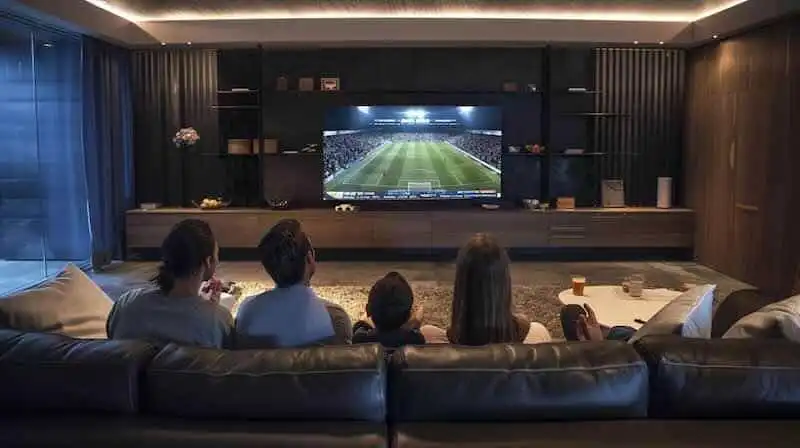
Viewing distance is one of the most significant contributors to your experience. Modern 4K and 8K resolutions have changed the math on how close you can sit. Because pixels are much smaller and denser, you can sit closer to a large screen without seeing the “screen door effect.” For a detailed breakdown of resolution impact, see the Sony Guide to TV Viewing Distance.
Modern Recommendations
Many professionals now suggest a viewing distance of 1.0 to 1.5 times the diagonal length for ultra-high-definition screens. For a 60-inch TV, this means sitting approximately 5 to 7.5 feet away. According to the field-of-view standards updated by the Society of Motion Picture and Television Engineers (SMPTE), this allows the screen to fill more of your field of vision, creating a cinema-like immersion that was previously impossible with lower-resolution hardware.
TV Placement Over a Fireplace
| Pros | Cons |
| Enhanced aesthetic appeal. | Higher viewing height can cause neck strain. |
| Space-saving solution. | Potential glare from windows or lights. |
| Allows for a focal point in the room. | Heat and soot from the fireplace may damage internal components. |
Design Considerations
If you must place a TV over a fireplace, consider a dynamic “pull-down” motorized mount. These specialized brackets allow you to seamlessly lower the TV to true eye level for active viewing and retract it back above the mantel when not in use. This elegantly solves the conflict between interior design focal points and ergonomic health.
Trade-offs Between Style and Function
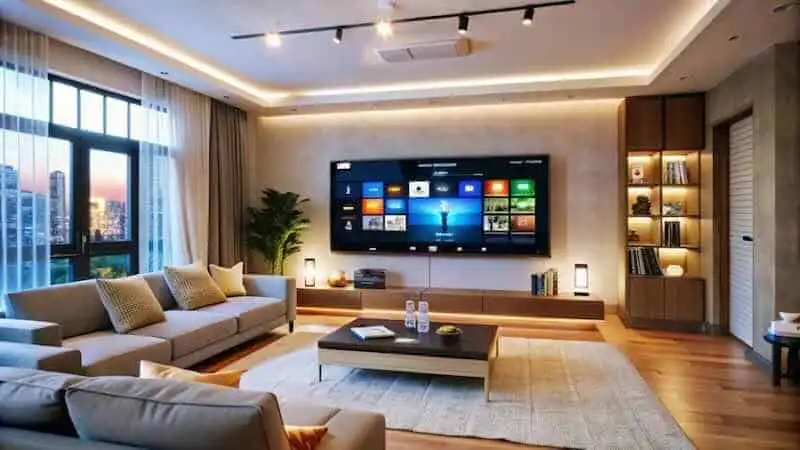
Despite the importance of optimal viewing height, many homeowners face a dilemma between aesthetic preferences and practical considerations. For those seeking to enhance their home’s design while ensuring a great viewing experience, Mounting your TV: Best viewing angle and height can provide insights into achieving this balance. Additionally, the rise of “gallery-style” ultra-thin displays and ambient art modes has made it easier than ever to blend high-end displays into upscale home decor without sacrificing placement height.
Conclusion
Ultimately, the perfect TV placement is a marriage of interior design and ergonomic science. By respecting the 108 cm center-height guideline and adjusting your seating distance to match modern 4K and 8K resolutions, you protect your physical health while maximizing your entertainment value. For further professional guidance on setting up structural wall systems safely, you can refer to the Custom Electronic Design and Installation Association (CEDIA) home integration guidelines. Whether you are integrating a massive micro-LED screen into a minimalist living room or mounting a set above a fireplace, prioritizing the viewer’s eye level will always result in a superior home theater experience. Take the time to measure twice and mount once for years of comfortable enjoyment.
FAQ
Q: How do I measure my eye level for TV mounting?
A: Sit comfortably on your primary viewing sofa in your normal relaxed posture. Have a partner use a tape measure to find the exact distance from the floor to your eyes. This measurement serves as the ideal target height for the center of your TV screen.
Q: Does the size of the TV change the recommended mounting height?
A: The core rule remains the same: the center of the screen should ideally align near eye level. However, because larger TVs have taller physical panels, the bottom edge of an 85-inch TV will sit much closer to the floor than the bottom edge of a 55-inch TV when mounted correctly.
Q: Can heat from a fireplace really damage my TV?
A: Yes, absolutely. Modern OLED and LED displays are highly sensitive to heat. Prolonged exposure to temperatures exceeding 40°C (104°F) can degrade the panel’s organic layers, distort color accuracy, and cause premature failure of internal electronics. Always test your mantel’s surface temperature before mounting a TV above it.
Q: What is the best viewing angle for a wall-mounted TV?
A: Ideally, you should look straight at the screen with a 0-degree vertical tilt. If your structural layout forces you to mount the TV higher than standard eye level, ensure you use a tilting or articulating mount to angle the panel downward toward the seating area. This preserves the display’s contrast ratios and prevents washed-out colors.
Q: How do 8K TVs change the required viewing distance in 2026?
A: 8K displays feature incredibly dense pixel structures. This allows you to sit even closer—roughly 1 to 1.2 times the screen’s diagonal length—without noticing any pixelation. It enables much larger screen sizes in smaller rooms for an incredibly immersive, theater-like field of view.