

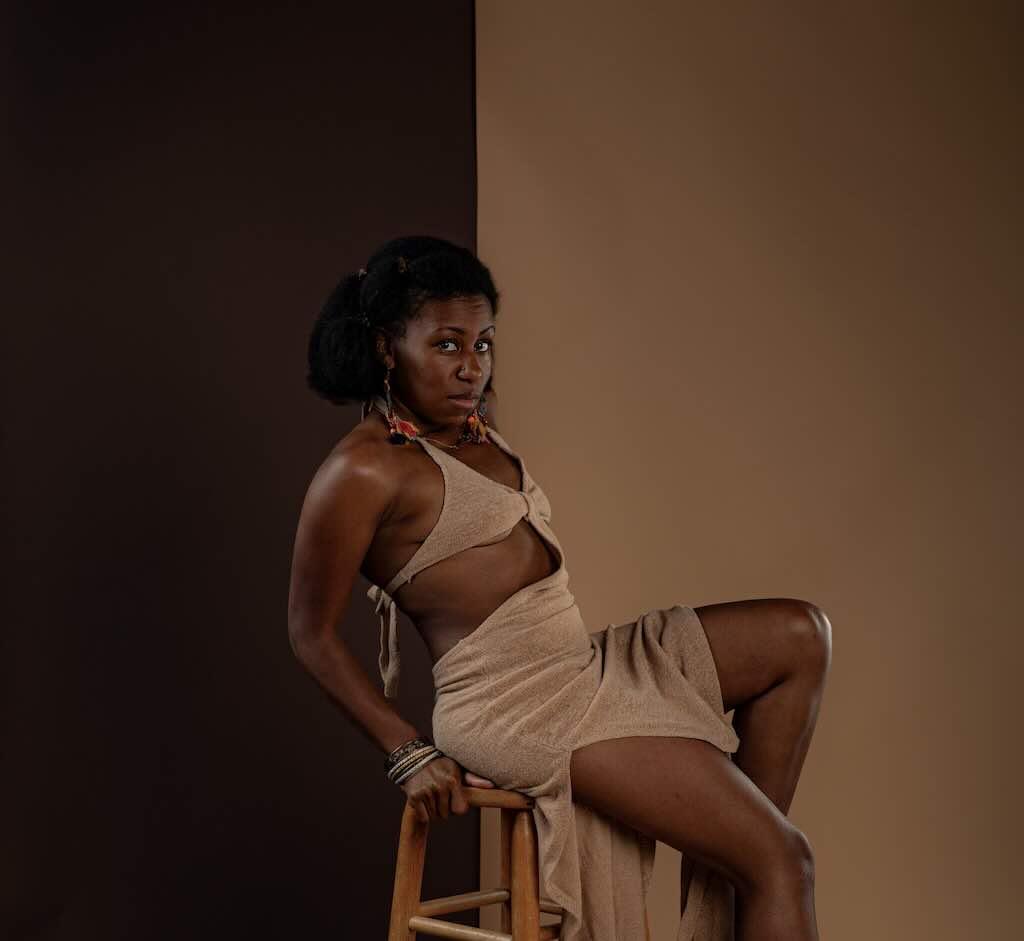


Gym style works best when you stop treating it as a choice between looking good and training properly. The strongest workout wardrobe does both: it moves comfortably, suits the exercise in front of you and still feels like something you would willingly wear.
That shift matters because activewear has moved well beyond the oversized T-shirt and whatever trainers happened to be by the door. Technical fabrics, cleaner silhouettes and quieter colors have made gym clothing part of everyday personal style. The trick is knowing which details actually matter once the workout begins.
Editor’s note: This article has been updated for 2026 to remove outdated activewear advice, correct claims about compression clothing and workout music, and place greater emphasis on fit, movement, footwear and practical gym style.
1. Dress for the Workout First
The most stylish gym outfit is still a poor choice if you spend the entire session adjusting it.
Start with movement. Squat, bend, reach overhead and take a few long strides before leaving home. Waistbands should stay where you put them. Tops should give your shoulders room to move. Fabric should not bunch uncomfortably behind the knees or pull across the back.
The activity matters too. Loose layers can feel comfortable during a warm-up or low-intensity session, while closer-fitting clothing may be more practical around certain machines or during exercises where you want to see your positioning.
Divine’s guide to fit and comfort in sportswear looks more closely at why those details deserve priority.
2. Choose Shoes for the Exercise, Not Just the Outfit
Shoes can carry much of the visual weight of an activewear look, but appearance should come after function.
Running, indoor cycling, lifting and general gym training place different demands on footwear. A heavily cushioned running shoe that feels comfortable on a treadmill may not provide the same stable sensation someone wants when performing a heavy squat or deadlift.
There is no single perfect gym shoe. Think about what occupies most of your training time, how the shoe fits your foot and whether it gives you an appropriate combination of stability, flexibility and cushioning for that activity.
If you also want a pair that works outside the gym, our guide to finding sneakers for different occasions can help narrow the options.
3. Build Around a Restrained Color Palette
Black, charcoal, navy, stone, cream and muted earth tones make an unusually useful foundation for gymwear. They combine easily, which means fewer pieces can create more outfits.
That does not mean bright activewear has disappeared. Cobalt blue, deep red, citrus shades and softer pastels can bring energy to an otherwise simple outfit. The cleaner approach is usually to decide where the color belongs rather than wearing several competing shades at once.
Try charcoal shorts with a soft grey top and brighter trainers, or black leggings with a muted green layer. Repetition creates coherence without making everything identical.
4. Forget the Idea That Gym Clothes Must Flatter Your Figure
Older gym-style advice often treated activewear as a way to display a particular body shape. That is an unnecessarily narrow way to dress.
A better question is whether the silhouette makes you comfortable and supports the way you train.
Some people prefer fitted leggings, shorts and tanks. Others feel better in relaxed joggers, longer shorts or oversized tops. Both can look considered. Proportion makes the difference: a loose top with streamlined bottoms creates one silhouette, while wider trousers with a shorter or more structured upper layer create another.
Confidence comes more naturally when you are not spending a workout wondering how your body looks from somebody else’s angle.
5. Treat Compression Clothing as an Option, Not a Shortcut
Compression garments are frequently marketed with claims about circulation, performance and recovery, but the evidence is more nuanced than those promises suggest.
A 2025 systematic review and meta-analysis of randomized trials found no significant improvement in running race time or time to exhaustion from wearing compression garments during running. Research into recovery has produced more mixed results, with some studies suggesting benefits under particular conditions.
In practice, wear compression clothing if you like its close fit, support or feel. Just do not assume that putting on compression tights will automatically make a workout more effective.
Training itself remains the important part. Current CDC physical activity guidance for adults recommends at least 150 minutes of moderate-intensity aerobic activity each week, or the vigorous equivalent, alongside muscle-strengthening activity on at least two days.
6. Pay Attention to Fabric
A garment can look beautifully minimal on a hanger and become deeply irritating twenty minutes into a workout.
Feel the fabric. Check the seams. Consider how much you normally sweat and whether the material becomes heavy when damp. Look for enough stretch for the movement involved without assuming that more stretch always means better quality.
Fabric weight also changes how an outfit feels. Lightweight materials can work well for warm conditions and cardio, while denser fabrics may feel more substantial for strength training or cooler journeys to and from the gym.
Then read the care label. Activewear that requires more maintenance than you are willing to give it rarely remains a favorite for long.
7. Use Layers to Make Gymwear Feel More Finished
The outfit you train in does not have to be exactly the outfit you arrive in.
A lightweight overshirt, zip layer, clean sweatshirt or simple jacket can make fitted training clothes feel less exposed on the journey to the gym. Remove the layer when training begins and the outfit immediately becomes more functional.
This is particularly useful if gymwear has to move between several parts of the day. A carefully chosen outer layer can take an outfit from pavement to studio without requiring an entirely separate wardrobe.
8. Let One Detail Carry the Personality
Personal style does not require covering yourself in logos.
A distinctive pair of trainers, an interesting color combination, a well-cut jacket or a favorite gym bag can give a simple outfit character. Even socks can subtly change the proportion of shorts and trainers.
The same principle works beyond activewear. Our guide to navigating fashion with confidence explores why personal style works better when it feels intentional rather than dictated by every passing trend.
9. Keep Accessories Practical
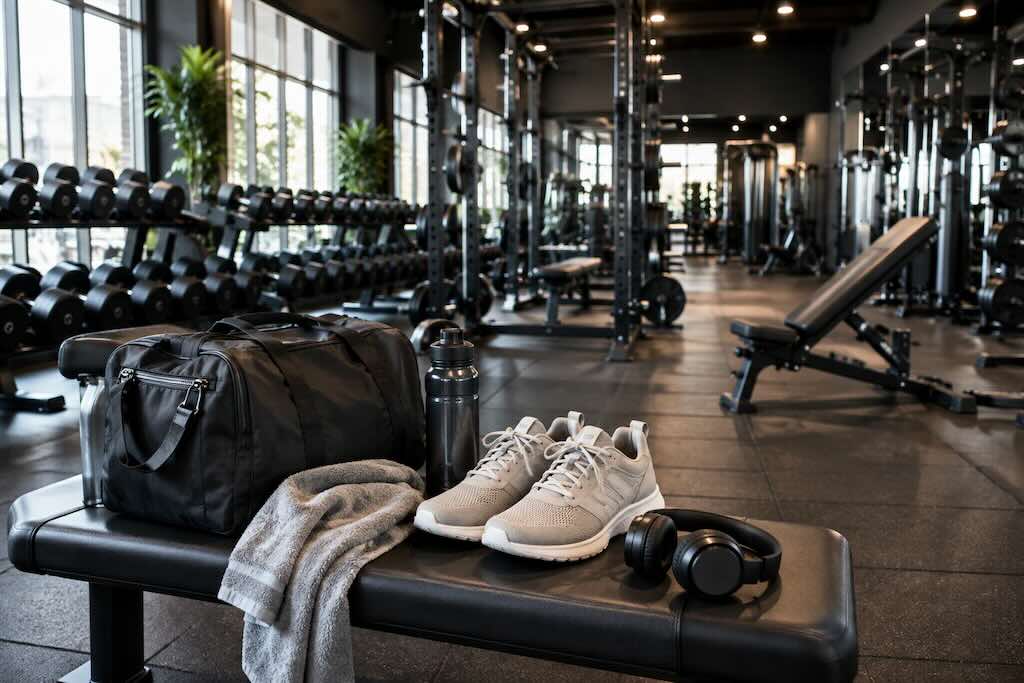
The useful gym accessories are rarely complicated: a water bottle, towel where required, headphones and a bag with enough organization to stop everything disappearing into one damp compartment.
Our gym bag essentials guide covers the practical side in more detail.
If you train with headphones, build a playlist around music that makes movement feel natural rather than chasing a supposedly perfect beats-per-minute number. Different activities, intensities and people respond to different tempos.
For strength training, you may want something heavy and rhythmic. A run might call for a more persistent pulse. During stretching, quieter music may suit the slower movement. The right soundtrack is the one that works for your session.
10. Build a Small Gym Wardrobe That Actually Gets Worn
You do not need a different outfit for every day of the month.
Start with enough clothing to cover your normal training frequency and laundry routine. If you exercise three times a week and wash clothes frequently, three or four reliable combinations may be plenty. Someone training daily will naturally need more.
A restrained palette makes this easier because tops and bottoms can move between outfits. Replace pieces because their fit, fabric or condition no longer works rather than because social media has decided that this month’s leggings should have a different waistband.
The Practical Gym Style Formula
If getting dressed for the gym has become strangely complicated, strip it back to four decisions:
- Movement: Can you perform the workout comfortably?
- Footwear: Does the shoe suit the activity?
- Proportion: Do the fitted and relaxed elements work together?
- Personality: Is there one detail that makes the outfit feel like yours?
Everything else is optional.
Conclusion
The gym is not a runway, but there is nothing frivolous about wanting to feel comfortable in what you wear.
The most convincing gym style in 2026 is less concerned with displaying a particular physique or wearing the right logo. It is quieter and more personal: shoes chosen for the workout, fabrics that feel good in motion, proportions you enjoy wearing and enough flexibility to move without thinking about your clothes.
Once an outfit does that, you can stop adjusting it and get on with the reason you came to the gym.
FAQ
What should you avoid wearing to the gym?
Avoid clothing or footwear that interferes with your particular workout. Anything that repeatedly slips, restricts movement, catches on equipment or makes your footing feel insecure deserves to stay at home.
Do compression clothes improve gym performance?
Not reliably. Evidence varies according to activity and outcome. An updated systematic review found no significant improvement in running race time or time to exhaustion from compression garments, while research into post-exercise recovery remains mixed. Choose compression clothing primarily because its fit and feel work for you rather than expecting an automatic performance advantage.
How many gym outfits do you need?
There is no universal number. Base your wardrobe on how frequently you train and do laundry. A smaller collection of pieces that combine easily is often more useful than a large collection of complete matching sets.
Can oversized clothes look stylish at the gym?
Yes. Oversized gymwear can create a strong silhouette when it still allows safe, comfortable movement. Try balancing a relaxed top with streamlined bottoms or wider trousers with a more structured upper layer.
Do expensive activewear brands make better gym clothes?
Price alone does not determine whether gymwear will work for you. Fit, construction, fabric, durability and suitability for your training matter more than the name on the garment.