

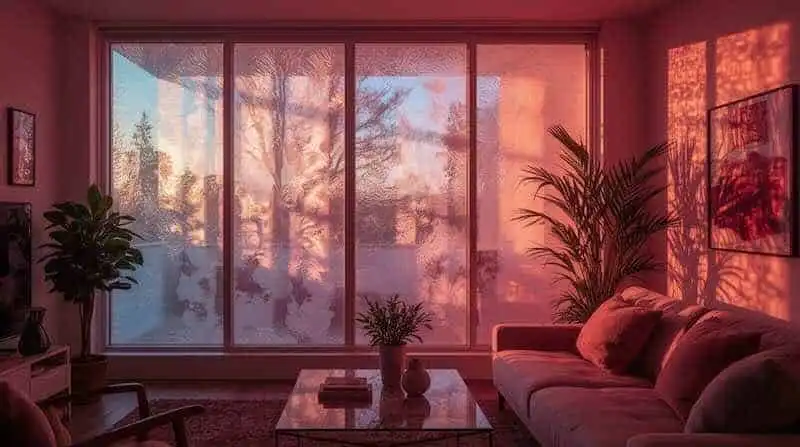
Just a few rolls of high-quality window film can instantly upgrade your home by improving privacy, reducing glare, blocking UV rays, and lowering energy costs. You can choose decorative patterns, solar-control tints, or security films to match your style and practical needs, and you’ll often install them yourself with minimal tools. This simple, cost-effective change gives your rooms better comfort, protection, and lasting aesthetic appeal.
Key Takeaways:
- Improve comfort and lower energy costs—window films reduce summer heat gain and help retain winter warmth for better temperature control and savings.
- Boost privacy and protection—frosted, tinted, or security films obscure outside views while blocking up to 99% of UV rays and cutting glare.
- Affordable style and easy installation—decorative and solar-control options refresh your home’s look, are simple to DIY, and require minimal maintenance.
Transforming Spaces: The Aesthetic Appeal of Window Films
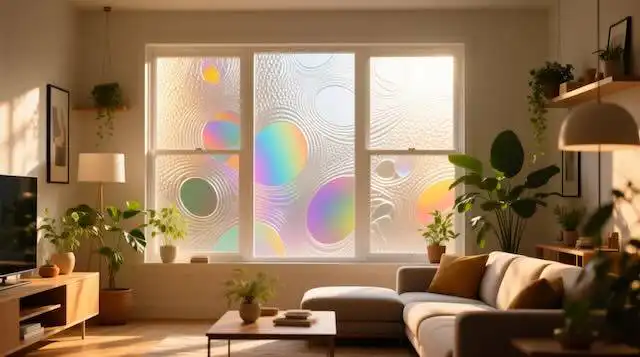
You can change a room’s mood instantly by choosing films that add texture, color, or subtle privacy—frosted finishes soften harsh shadows, patterned films create visual anchors, and metallic or stained-glass effects introduce boutique-level detail; many decorative films retain 60–70% visible light transmission, so you keep daylight while redefining sightlines and room character.
Decorative Options to Elevate Your Interiors
Explore etched, frosted, geometric, gradient, or custom-printed films to match your aesthetic; spas and salons often use frosted bands for private zones, while cafés employ stained or patterned films to create intimate booths. Custom printing can produce photographic-quality designs at roughly 300 dpi, letting you incorporate logos, murals, or brand colors without costly glass replacement.
Creating Ambiance with Tints and Patterns
Select tints and patterns by exposure and desired warmth: choose 20–35% VLT for strong south sun to cut glare, 40–60% VLT for east/west to balance morning or evening light, and 60–70% for shaded north windows. Neutral gray tints preserve color accuracy, bronze/amber adds warmth, and patterned films diffuse sunlight to protect furnishings while blocking up to 99% of UV.
Mix different tints and patterns for added effects: use a gradient tint to let in some skylight while adding a frosted section at the bottom for privacy, or put a subtle geometric pattern over a 30% VLT neutral film in a home office to lessen screen glare and balance the light—solar-control films can reduce cooling needs by about 30% in sunny areas, making your space more comfortable and protecting your belongings.
Shielding Your Home: The Protective Benefits of Window Films
You gain multiple layers of protection with window films: solar-control varieties block up to 99% of UV and typically cut solar heat gain 40–70% depending on tint, reducing cooling load and interior fading. Security films in the 4–8 mil range help keep glass intact during impacts, delaying forced entry by several minutes and lowering injury from shards. Decorative and privacy films add protection without darkening rooms, letting you balance safety, comfort, and aesthetics.
More Read

Guarding Against UV Damage for Lasting Interiors
Blocking up to 99% of UV light preserves furniture, flooring, and artwork by preventing photochemical breakdown that causes fading and discoloration. You’ll see slower deterioration in sun-exposed rooms and extended longevity for textiles and finishes. Choose spectrally selective films that filter harmful UVA while maintaining visible light transmission so your rooms stay bright without accelerated fading.
Enhancing Security with Impact-Resistant Films
Impact-resistant films anchor glass shards and absorb energy, turning shattered panes into held surfaces that delay entry and reduce laceration risk. Films from 4 to 8 mil are common for residential burglary resistance; heavier 8–14 mil options suit higher-threat scenarios. You’ll gain measurable delay—often several minutes—giving occupants time to respond or for emergency services to arrive.
Professional installation maximizes performance: you should have film applied to clean glass and, when possible, mechanically anchored to the frame to improve retention. Ask installers for independent lab data on tensile strength, peel adhesion, and impact tests so you can compare products. Pairing thick security film with laminated or tempered glass and reinforced frames multiplies protection, transforming a quick smash-and-grab into an impractical, time-consuming attack.
Energy Efficiency Redefined: Thermoregulation Solutions
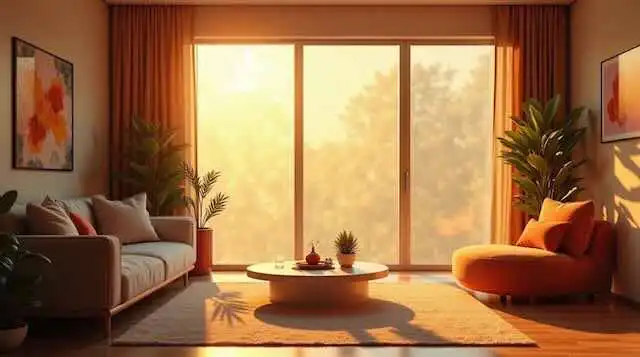
Spectrally selective and low-emissivity window films control heat flow by reflecting infrared while letting visible light through, helping you keep rooms stable without darkening them. Many high-performance solar films reject 60–80% of solar heat and block up to 99% of UV, reducing peak solar gain and lowering HVAC cycling. You can pair film choice with window orientation—stronger solar control on west- and south-facing glass—to maximize comfort and minimize seasonal temperature swings.
Seasonal Comfort: Keeping the Heat at Bay
During summer, solar-control films lower the temperature near windows and can help prevent overheating by a few degrees, which often means air conditioning doesn’t have to work as hard; homeowners usually notice areas that are 5–8°F cooler by south- In winter, low-e films slow radiant heat loss, reducing drafts and improving perceived warmth without extra insulation. Matching film type to your climate—ceramic for glare control, low-e for insulation—lets you tailor comfort for every season.
Cost Savings: How Window Films Lower Energy Bills
You can trim cooling costs by roughly 10–30% with the right solar-control film, depending on climate and glass area; in hot regions savings skew higher. Blocking solar heat reduces AC load, while low-e varieties cut heating losses in colder months. Many homeowners see payback periods of 1–5 years, with annual energy savings that often range from $100 to $400 per household, scaled by local energy prices and window exposure.
Estimate ROI by totaling installed cost (typical residential rates run about $6–$12 per sq ft) against annual savings: for example, a 50 sq ft retrofit costing $450 that yields $240/year in reduced cooling bills returns in under two years. Remember to factor in variables like HVAC efficiency, window orientation, and local temperatures; combining films with shading or smart thermostats compounds savings and shortens payback even further.
A Practical Guide to Application and Maintenance
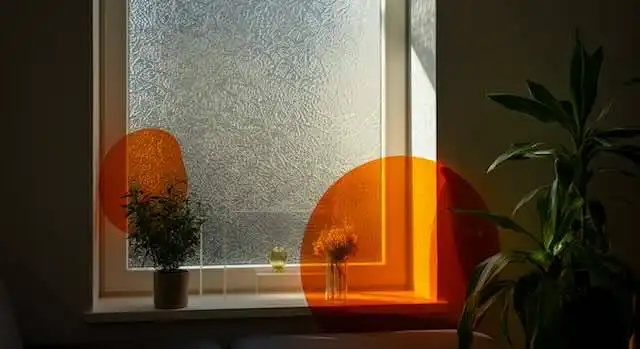
Apply film on days when interior and exterior temperatures are between 50 and 85°F (10 and 30°C) and humidity is moderate so adhesive sets evenly. You should plan 24–72 hours for full curing and avoid heavy cleaning during that window; patch tests on a small pane help verify compatibility with older seals and coatings. Use a non-ammonia cleaner and a soft microfiber to maintain clarity, and inspect edges every 3–6 months for lifting or moisture intrusion.
DIY Installation: Steps to a Perfect Fit
Measure each pane precisely and cut the film 1/8–1/4 inch oversize for easier positioning; for a 36×48 in window, cut to roughly 36 1/8×48 1/8 in. Mix a slip solution (about 1 tsp mild dish soap per quart ≈1 L water), spray glass and film, apply adhesive side down, squeegee from center outward to expel bubbles, then trim with a fresh utility blade and leave edges undisturbed for 24–48 hours to set.
- Tools: spray bottle, microfiber cloths, 6–8 in plastic squeegee, fresh utility blades, measuring tape.
- Cutting: use a straightedge and sharp blade; replace the blade after 2–3 windows for clean cuts.
- Application: Keep a 1–2 person team for large panes to avoid creases and alignment errors.
- Edge care: press edges gently with a soft cloth to seal; avoid forcing film over warped frames.
- Assume that the film requires 24–72 hours to fully cure before you perform any aggressive cleaning or close-fit treatments.
Tips for Long-Lasting Film Performance
Clean film every 2–3 months with a non-ammonia, pH-neutral cleaner and a microfiber cloth; abrasive pads, solvent-based cleaners, and metal blades can scratch or lift the adhesive. Inspect high-sun exposures (south/west) annually because UV and heat accelerate discoloration and edge failure. If you spot bubbling or edge lift within the first year, document it and contact the manufacturer—many films carry 5–10 year warranties depending on type and exposure.
Choose films with tested ratings: look for visible light transmission (VLT) and Solar Heat Gain Coefficient (SHGC) specs—reductions of SHGC by 0.20–0.30 typically yield noticeable cooling savings. Security films between 7 and 8 mil add measurable shatter resistance; decorative foils need only 2–4 mil but require careful cleaning to avoid delamination. For humid climates, allow 48–72 hours of ventilation during curing to reduce trapped moisture and adhesive clouding.
- Clean routine: gentle wash, rinse with distilled water for a streak-free finish, and dry with microfiber.
- Avoid ammonia-based cleaners, abrasive pads, and sharp tools near the film surface.
- Inspection: Check seals and corners every 3–6 months; tighten frame seals if moisture collects.
- Replacement cue: visible peeling, persistent bubbling, or >20% optical degradation affects performance.
- Assume that you should replace or professionally reapply film after 7–10 years or sooner if peeling or significant fading appears.
Real-Life Transformations: Success Stories of Homeowners
Before and After: Showcasing the Impact of Window Films
Installers often document striking before-and-after results: you can cut visible glare by up to 80%, block as much as 99% of UV, and lower peak interior temperatures by several degrees after applying solar control film. One south-facing living room regained carpet color and reduced AC runtime by about 15% during the summer, while frosted films turned street-facing windows into private, light-filled spaces without bulky curtains.
User Experiences: The Emotional and Practical Benefits
Many homeowners say you feel an immediate lift in comfort and confidence—less glare in your home office, reduced fading of furniture, and fewer worries about privacy. In hotter regions, solar films commonly reduce cooling loads by 10–25%, translating to lower bills; decorative films preserve daylight and add style, which often improves mood and productivity at home.
Specific examples show how you benefit day-to-day: Apply frosted film in a bathroom to eliminate curtains while keeping light, add security film on ground-floor panes to keep glass intact after impacts, or fit low-e films in a sunroom to shave 3–7°F off afternoon highs and cut fan usage. Installer warranties and DIY kits make these upgrades accessible and low-risk for most homeowners.
Conclusion
Conclusively, you can upgrade your home quickly and affordably with window film, enhancing privacy, reducing glare and UV damage, and improving insulation without major renovation; choose the right film for your needs, apply it yourself or hire a pro, and enjoy measurable energy savings, greater comfort, and a refreshed aesthetic that protects your interiors.
FAQ
Q: What types of window film are available, and how do I choose the right one for my goals?
A: Window films come in several categories: decorative (frosted, patterned, or stained-glass looks) for privacy and style; solar-control films that reduce heat gain and glare and block up to 99% of UV; security films that strengthen glass to resist shattering; and one-way or reflective films for daytime privacy. Choose by use case and location: South- and west-facing windows benefit most from solar-control films to cut cooling load and glare; bathrooms and street-level rooms often work best with frosted or decorative films for privacy; and ground-floor or vulnerable windows can use security films. Also factor in aesthetics, budget, warranty, and whether you prefer a DIY installation or professional fitting for large or specialty glass.
Q: Can I install window film myself, and what are the key steps and pitfalls to avoid?
A: Yes, many films are DIY-friendly. Key steps:measure and cut the film slightly larger than the pane, clean glass thoroughly with a mild detergent and squeegee until spotless. Spray glass and film adhesive with a slip solution (water with a few drops of mild soap), position the film, use a soft squeegee to remove bubbles and excess solution working from center outward, trim edges with a sharp utility knife, and let the adhesive cure (avoid cleaning for about 7 days). Common mistakes: inadequate cleaning before application, using too little slip solution, rushing trimming or squeegeeing (which causes creases or trapped bubbles), and using abrasive tools or ammonia-based cleaners that can degrade the film. For very large, curved, or fragile panes and for security or high-performance films, professional installation is recommended.
Q: What benefits will window film provide, and how long does it typically last?
A: Window film can improve comfort, save energy, protect interiors, and boost privacy and safety. Solar-control films reduce heat gain and glare and block UV that fades furniture; many homeowners see measurable reductions in cooling costs (results vary by climate, window orientation, and film type). Decorative films enhance curb appeal without replacing glass. Security films help contain shattered glass during impacts. Lifespan depends on film quality, installation, and exposure—most quality films last 10–15 years or longer with proper care; higher-end films often carry multi-year warranties. For best results, choose a film rated for your climate and follow maintenance guidelines (soft cloths, mild cleaners, and avoiding abrasives and ammonia-based products).