




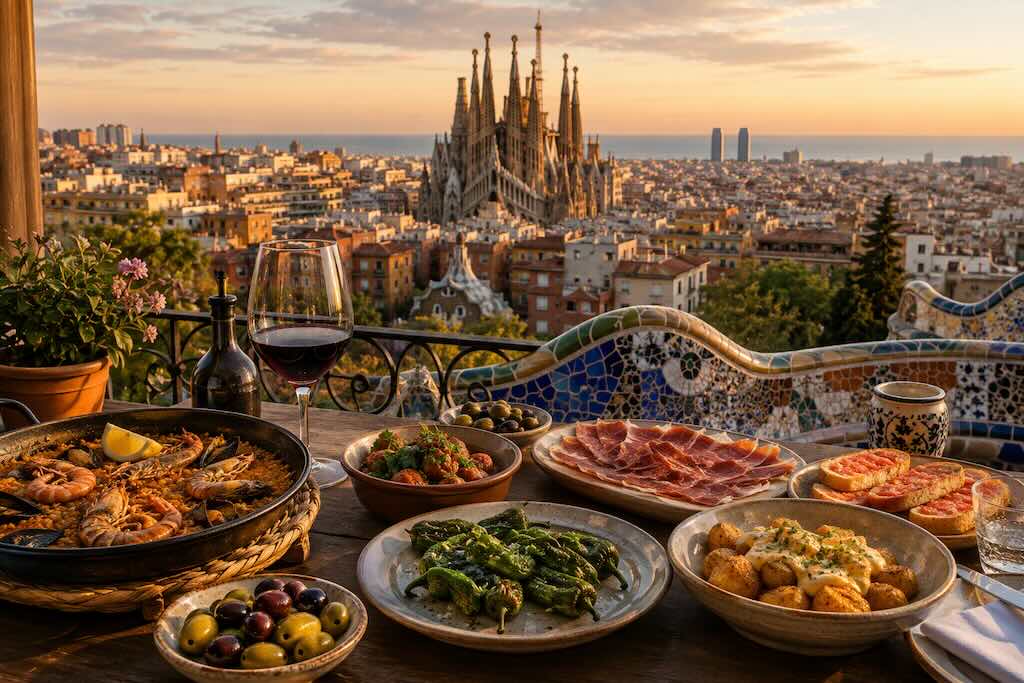
Barcelona is difficult to separate from food. Markets spill seasonal produce beneath iron roofs, vermouth arrives before lunch, bread rubbed with tomato appears beside grilled fish and rice dishes, and some of Europe’s most ambitious kitchens operate only a few streets from neighborhood bars.
The city is particularly interesting because tradition and experimentation do not need to cancel each other out. Catalan ingredients, Mediterranean cooking, migration and contemporary technique overlap constantly. For travelers, the question is less about finding one definitive “best” restaurant and more about choosing places that reveal different sides of Barcelona.
Editor’s note: This Barcelona restaurant guide has been updated for late 2026 after checking the original recommendations against current restaurant and tourism information. Outdated claims have been removed and the guide now places greater emphasis on Catalan food culture and practical dining choices.
Why Barcelona Is Such a Good City for Food
Barcelona’s culinary identity begins with Catalonia itself. The city’s official tourism organization describes Catalan cuisine as closely connected to Mediterranean ingredients, seasonal produce and the varied landscapes of sea, mountains, farmland and forests.
That means a food-focused visit should extend beyond tasting menus. Markets, bakeries, neighborhood restaurants, vermouth bars and traditional dishes can tell you as much about Barcelona as its most elaborate dining rooms.
For a wider introduction, Barcelona’s official tourism site maintains current information about the city’s restaurants, markets and food-and-wine experiences.
And food does not have to replace sightseeing. Divine’s guide to Antoni Gaudí’s architecture in Barcelona makes an easy companion to a day structured around both buildings and meals.
Barcelona Restaurants Worth Knowing in 2026
No restaurant list remains definitive for long. Chefs move, concepts change and dining rooms close. The selections below are therefore better treated as different ways into Barcelona’s food culture rather than a rigid ranking.
Enigma: Barcelona at Its Most Experimental
For travelers interested in contemporary gastronomy, Enigma represents Barcelona’s experimental side.
Created by chef Albert Adrià, the restaurant uses a tasting-menu format in a striking interior where architecture, presentation and cooking are designed as parts of the same experience. This is not the place for an impulsive plate of tapas between sightseeing stops. It is a destination meal that deserves its own space in the itinerary.
The appeal lies in uncertainty: techniques, textures and presentations can challenge expectations about what a familiar ingredient should become. Check Enigma’s current information for menus, reservations and dining conditions before planning your visit.
Via Veneto: A Barcelona Classic
Not every memorable Barcelona restaurant needs to feel new.
Via Veneto represents a more established style of dining, pairing Catalan culinary foundations with formal service and a dining room that has become part of the city’s restaurant history. Barcelona’s official tourism organization identifies it as one of the city’s iconic restaurants, with cooking rooted in Catalan tradition.
Choose it when you want the evening itself to feel like an occasion: a slower meal, attentive service and time to notice what is happening beyond the plate.
Current menus and reservations are available from Via Veneto.
Bar Velódromo: Catalan Cooking in an Art Deco Setting
Sometimes the room matters almost as much as lunch.
Bar Velódromo is an established Barcelona address with an Art Deco interior and a menu connected to Catalan cooking. It offers a useful contrast to the tasting-menu end of the city’s restaurant spectrum: recognizable dishes, a historic setting and a format that fits more easily into an ordinary day of exploring.
Barcelona’s tourism organization currently lists the restaurant among its Catalan dining recommendations. Check Bar Velódromo for current opening hours and menus.
Cadaqués Barcelona: Rice, Fire and the Mediterranean
For something closer to Barcelona’s maritime character, Cadaqués Barcelona focuses on Mediterranean cooking with particular attention to rice dishes and seafood.
The official Barcelona tourism guide describes a kitchen bringing together produce from sea, mountains and farmland, with rice cooked over wood and fresh fish forming part of the restaurant’s identity.
It is a useful reminder that eating in Barcelona does not mean automatically ordering paella at the first restaurant beside a major attraction. Rice cooking has regional traditions, techniques and ingredients worth seeking out deliberately.
Check Cadaqués Barcelona for current menus and reservations.
Espai Mescladís: Food With a Social Purpose
Barcelona’s food culture is not confined to luxury dining. Mescladís approaches hospitality through community, migration and social inclusion.
The project uses food and hospitality as part of wider social initiatives, making it interesting for travelers who want to understand something about the people shaping contemporary Barcelona rather than viewing the city solely through its landmarks.
Read about the organization’s current projects and hospitality spaces directly through Mescladís before visiting, as locations and programs can change.
What Happened to Some of the Original Recommendations?
Restaurant guides age quickly. Earlier versions of this article recommended Bicnic, La Barra de Carles Abellán and Kaiku with descriptions that should no longer be presented as current without qualification.
Rather than keeping attractive descriptions simply because they once worked, this edition concentrates on restaurants and organizations that can be supported with current information. That matters when a reader may make a reservation, cross the city or plan an evening around a recommendation.
What to Eat in Barcelona Beyond the Restaurant List
A strong Barcelona food trip should include dishes that belong to Catalan culinary culture rather than reducing local food to generic ideas of “Spanish cuisine.”
- Pa amb tomàquet: bread rubbed with tomato and typically finished with olive oil and salt; simple enough to disappear beside more elaborate dishes, yet deeply associated with Catalan food culture.
- Escalivada: roasted vegetables, commonly including peppers and aubergine, served in a variety of ways.
- Escudella i carn d’olla: a traditional Catalan soup and meat preparation particularly associated with colder weather.
- Crema catalana: the familiar Catalan custard dessert with a caramelized surface.
- Seasonal seafood and rice dishes: worth choosing according to the restaurant’s speciality rather than assuming every establishment near the sea will prepare them equally well.
Barcelona’s official tourism guide describes seasonal and locally sourced produce as central to Catalan cooking. That is a good reason to ask what is in season rather than arriving with an inflexible list of dishes.
Make Time for Barcelona’s Markets
Restaurants show what chefs do with ingredients. Markets show where the conversation begins.
Barcelona’s neighborhood markets bring together fruit, vegetables, fish, meat, cheese and prepared food beneath spaces that are still part of everyday city life. Visit with curiosity rather than treating them purely as attractions.
Look at what is abundant. Notice the seafood on ice, the colors of seasonal produce and the ingredients appearing repeatedly across different stalls. Those details make restaurant menus easier to read later.
If food is one of the main reasons you travel, Divine’s guide to global food flavors explores how ingredients and culinary traditions move between places.
How to Choose a Restaurant in Barcelona
The city offers everything from quick tapas and set lunches to lengthy tasting menus. Decide what kind of meal you want before deciding which restaurant has accumulated the most attention online.
- For Catalan tradition: look for menus centered on regional dishes, seasonal produce and local ingredients.
- For contemporary fine dining: reserve early and give the meal enough time rather than squeezing it between attractions.
- For spontaneous eating: explore neighborhood bars, markets and restaurants away from the most concentrated visitor routes.
- For dietary requirements: contact the restaurant directly when allergies or medical restrictions require reliable information.
- For better planning: check the restaurant’s own website shortly before visiting. Opening days, menus, prices and reservation policies can change.
Conclusion
Barcelona rewards an appetite, but not necessarily a checklist.
Book one ambitious dinner if that excites you. Eat something traditional the next day. Walk through a market. Order pa amb tomàquet. Stop for vermouth. Let one meal be planned and another happen because a room smells good when you pass the door.
The city’s food becomes most interesting when it stops being separate from the trip. Architecture, neighborhoods, markets, Mediterranean produce and the table begin to tell the same story.
FAQ
Do you need restaurant reservations in Barcelona?
For sought-after tasting menus and popular restaurants, advance reservations are sensible. Casual neighborhood restaurants may offer more flexibility, but opening hours and busy periods vary. Check directly with the restaurant when a particular meal is important to your itinerary.
What food should you try in Barcelona?
Start with Catalan dishes and ingredients such as pa amb tomàquet, escalivada, seasonal seafood, rice dishes and crema catalana. In cooler weather, traditional preparations such as escudella i carn d’olla offer another side of regional cooking.
Is Barcelona good for vegetarian dining?
Yes. Barcelona’s dining scene includes vegetarian restaurants alongside conventional restaurants with plant-based options. The official tourism organization also identifies vegetarian dining as part of the city’s current culinary offer. If you have strict dietary requirements, confirm ingredients and preparation directly with the restaurant.
Is paella a traditional Barcelona dish?
Paella originates from Valencia rather than Barcelona. Rice dishes are certainly part of Mediterranean and Catalan dining, but travelers interested specifically in local cuisine should look beyond paella and explore Catalan preparations as well.
When is a good time to visit Barcelona for food?
Barcelona can be a food destination throughout the year because seasonal ingredients change what appears in markets and restaurants. Spring and autumn can be comfortable for combining meals with walking, while winter brings its own traditional dishes and summer suits long Mediterranean evenings.