




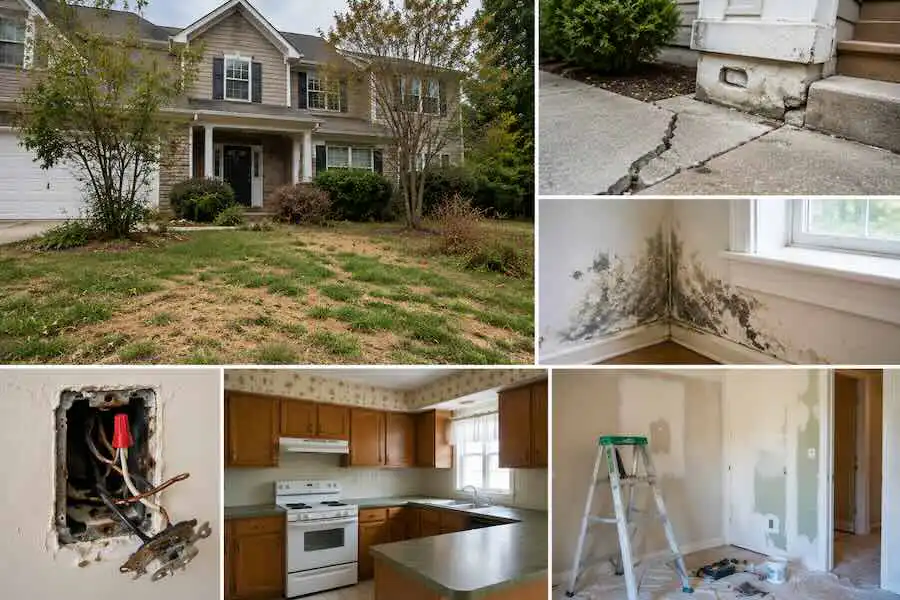
Trying to sell your home for a strong price can feel surprisingly unforgiving. Buyers notice more than square footage and bedroom counts; they notice the tired lawn, the dripping tap, the cracked path, and the renovation that looks slightly too homemade. Some problems are cosmetic. Others can raise questions about maintenance, safety, and the amount of money a buyer will need to spend after moving in.
That does not mean every imperfection requires an expensive renovation before you list. The smarter approach is identifying the home issues that could reduce property value, then deciding which repairs are likely to make the property more appealing and easier to sell.
Poor Landscaping Can Hurt the First Impression
If you’re not much of a green thumb, the garden can easily slide down the priority list. Unfortunately, buyers see the exterior before they see almost anything else. Patchy grass, overgrown shrubs, dead plants, neglected trees, and clutter around the entrance can make an otherwise attractive property feel poorly maintained.
You do not necessarily need elaborate landscaping. Cutting the lawn, trimming shrubs, removing weeds, clearing paths, adding mulch, and tidying the entrance can create a cleaner first impression without turning the garden into a major renovation project.
That first view matters because buyers may use visible exterior neglect as a clue to what could be waiting inside. A neat garden and entrance suggest that somebody has been paying attention to the property.
Deferred Maintenance Can Become a Bigger Problem
Every house needs maintenance over the years, from radon testing to plumbing repairs, electrical work, roofing checks, and routine upkeep. Small jobs are easy to postpone when they do not interfere with daily life. During a sale, however, several neglected repairs appearing at once can make a buyer wonder what else has been ignored.
Issues worth investigating before listing can include:
- Foundation cracks or signs of structural movement
- Damaged, exposed, or outdated electrical components
- Cracked or broken driveways and walkways
- Leaking or outdated plumbing fixtures
- water damage, dampness problems
- Damaged roofing, windows, doors
Some of these problems require professional assessment rather than a quick DIY repair. Structural, electrical, plumbing, moisture, and environmental concerns in particular should be evaluated by appropriately qualified professionals. The U.S. Environmental Protection Agency also provides guidance on radon testing and risk reduction for homeowners.
Outdated Rooms Can Change How Buyers Calculate Value
An older room is not automatically a problem. In fact, original architectural details can give a home warmth and character. The difficulty comes when a space feels worn rather than intentionally preserved.
Kitchens and bathrooms tend to attract particular attention because buyers know they can be expensive to renovate. Old cabinetry, damaged worktops, worn flooring, tired grout, dated lighting, or fixtures approaching the end of their useful life can quickly become part of a buyer’s mental renovation budget.
Before committing to a complete remodel, consider smaller changes. Fresh paint, repaired hardware, modern lighting, clean grout, functioning fixtures, and a thorough deep clean can make a room feel cared for without spending heavily on finishes that the next owner may replace anyway.
Poorly Executed DIY Improvements Raise Questions
DIY itself is not the enemy. A beautifully painted room or carefully installed shelf is unlikely to send buyers running. The problem begins when amateur work touches areas where poor execution can affect safety, building performance, permits, or compliance.
Visible shortcuts around electrical wiring, plumbing, structural alterations, extensions, decks, or major renovations may encourage buyers and inspectors to look more closely. Missing documentation or permits, where required, can create another layer of uncertainty.
If you know a substantial DIY project may be questionable, licensed professional before listing can be more useful than hoping nobody notices it.
Not Every Upgrade Will Pay You Back
There is another trap: spending too much before selling. Installing an expensive designer kitchen, luxury bathroom, or highly personalized feature does not guarantee that buyers will pay enough extra to recover the cost.
That’s why the practical pre-sale question is not simply, “What can I renovate?” It is, “What might stop a buyer from feeling confident about this house?” Fixing obvious defects, improving cleanliness, completing unfinished maintenance, and creating a strong first impression may be more useful than chasing perfection.
Walk Through Your Home Like a Buyer
Before listing, walk through the property as though you have never seen it before. Start at the street. Look at the lawn, driveway, exterior, windows, and front door. Then move through each room and notice damaged finishes, unfinished projects, odors, poor lighting, leaks, cracks, clutter, and anything that makes you stop.
A real estate professional can also help identify which improvements matter in your particular market. Housing expectations vary by neighborhood and price range, so the repair that matters enormously in one market may barely influence another.
Conclusion
You do not need a flawless home to make a successful sale. Buyers generally expect some wear, especially in an older property. What can make the difference is whether those imperfections feel manageable or like the beginning of an expensive list of unknowns.
Focus first on maintenance, safety, cleanliness, curb appeal, and obviously unfinished work. A home that feels cared for gives buyers fewer reasons to hesitate — and fewer reasons to start mentally subtracting from their offer.
FAQ: Home Issues That Could Reduce Property Value
What home problems should I fix before selling?
Prioritize problems involving safety, water intrusion, electrical systems, plumbing, structural concerns. Cosmetic improvements can follow once significant defects have been assessed.
Should I renovate my kitchen before selling?
Not automatically. A major renovation can be expensive, and you may not recover the entire investment. Repairs, cleaning, paint, lighting, and smaller updates may provide a more sensible pre-sale refresh depending on your local market.
Can DIY renovations affect a home sale?
They can if the workmanship is poor or if work requiring permits or licensed professionals was completed incorrectly. Buyers may be particularly cautious about DIY electrical, plumbing, structural, or major construction work.
Does landscaping really matter when selling a house?
Landscaping contributes directly to a buyer’s first impression. A tidy lawn, trimmed vegetation, clear paths, and a clean entrance can make the property appear better maintained before the buyer even walks through the door.